
Introduction:
In the current connected world, the culture of celebrities is transmitted at the touch of a button. Images, videos and voice recording of renowned celebrities go round and round in the social sites. With this continuous visibility, there has emerged fertile territory of a potent and highly provocative technology: the deepfakes of celebrities. With the help of the latest artificial intelligence, deepfakes are able to accurately imitate the looks, voice, and behavior of well-known people, making it hard to distinguish between real and unreal. The technical experiment has turned into a cultural and ethical issue on the global scale very fast.
Celebrity Deepfakes and their understanding.
Celebrity deepfakes are digitally modified or fully artificialized media where the image of a famous individual is realistically reproduced with AI-based methods, like deep learning and neural networks. These systems are also trained with large datasets of images, videos and audio recordings of a celebrity and thus are able to produce new content that seems genuine.
In comparison to the traditional methods of photo editing or visual effects, deepfakes are capable of dynamically replicating facial expressions, lips movement, and the patterns of speech. The outcome is a content that may be hard to discern by an average viewer as to be a piece of real footage, particularly when passed on without any context or verification.
See also: Revolutionizing Sleep with Modern Technology
The Deepfake Technology and its functionality.
The most fundamental element of deepfake detector is machine learning models, specifically generative adversarial networks. These models have two systems in competition as one generates fake content and the other tests its realism. The generator gets more trained to make realistic images or videos through a series of training processes. In the case of celebrities, this process is simplified and more precise due to the large number of publicly accessible media. The raw information to train AI models that can be almost perfectly imitated is collected in high-resolution interviews, films, red carpet appearances, and posts on social media.
The Factor of Appeal and Entertainment.
Deepfake celebrity faces do not necessarily have the repercussions of wrongdoing. They are also applied or used in some contexts to entertain, to parody or to express creativity. The viral videos that feature actors in uncommon movie roles or recreating historical characters with modern celebrities can be seen by millions of people. These applications are a show of the amazing potential of AI and they bring up debates about what the future of media-making looks like. De-aging actors, dubbing films in foreign languages, or restaging performances in actor absence are also under investigation in the entertainment industry using the same type of technology as deepfakes. Such applications when applied ethically and at the consent of the users can give rise to new creative possibilities.
The Dark Side: Darkness and Deception.
Celebrity deepfakes are dangerous even in spite of their creative potential. Misinformation is one of the most worrying problems. False videos of celebrities that have made false claims can quickly go viral, shaping the overall opinion of people, reputational destruction, or even the financial market and political conversation. The other big issue is exploitation. Non-consensual deepfake content such as explicit content has been targeted at celebrities, especially women. This is not only against personal dignity but also points to the weaknesses in the law and enforcement of the platforms. Such content might inflict significant and long-term emotional and reputational damage.
Ethical and Legal Dilemmas.
The development of celebrity deepfakes has exceeded the current legal provisions. Most jurisdictions do not have specific legislations that cover unlicensed usage of the likeness of a person in the synthetic media. Although defamation, copyright and privacy laws may provide a point of redress, they are limitedor hard to implement in international jurisdiction. Celeb deepfake is ethically challenging on ethical behavior such as consent, identity ownership, and creator and platform accountability. Is it fair of a public figure to control digital versions of his or her face and voice? What can be done so as to shield the audience against deception without subduing free expression? Those questions remain a challenge to legislators, technologists, and the society in general.
Technology versus Technology.
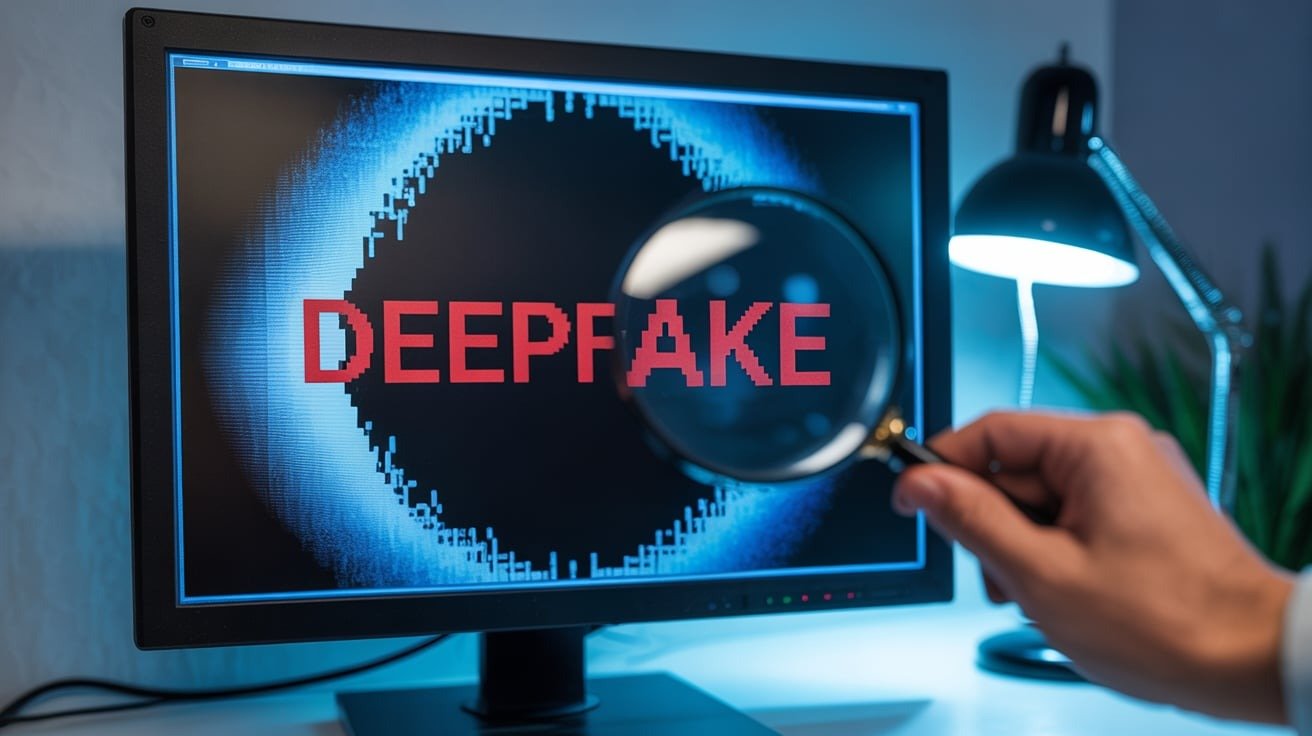
With the development of deepfakes, attempts to detect the latter are improving. Detection devices that are based on AI detect discrepancies in facial motions, lights, sound style, or biological data to depict unnatural media. News outlets and social media networks are spending on these technologies to curb the growth of malicious texts. Awareness of the people is also significant. The effects of misinformation based on deepfakes can be diminished by educating audiences to doubt sensational or surprising celebrity content. Checking, context, and digital literacy are now becoming the requisite of the contemporary media environment.
Celebrity Identity of the Future.
In the future, celebrity deepfakes will be even more realistic and available. This renders preventive actions very important. Digital watermarking, clear labeling of synthetic media, and consent-based licensing models are all new solutions. Other celebrities are already seeking how to safeguard or sell their online image using regulated partnerships. It will all depend on the way the society opts to utilize this technology responsibly in the future. Moderating between the innovation and respect of individual rights will be the determining factor between deepfakes being a creative resource or a recurrent menace.
Conclusion:
The fake images of celebrities are an impressive manifestation of the enormous capabilities of artificial intelligence and the extreme dangers of this technology. They are a challenge to our beliefs concerning authenticity, trust and identity in a world that is media saturated. With the blur of the real and the fake, careful regulation, morality, and awareness among people will be necessary. When exploring this new reality, the society should not just think about what can be done, but also what needs to be done by technology.