
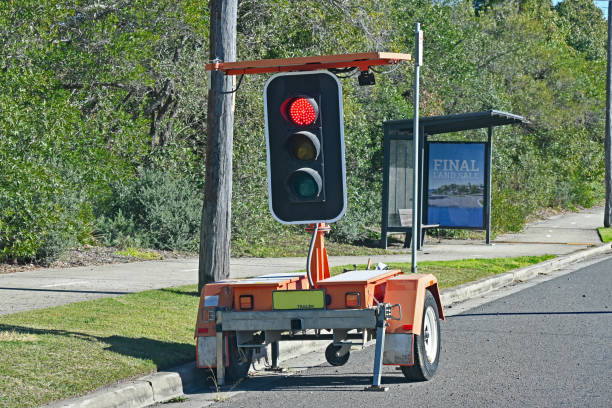

Portable traffic signal lights play a crucial role in managing traffic safely and efficiently when permanent signals are unavailable or impractical. These temporary systems are designed to control vehicle and pedestrian movement in changing or short-term conditions, such as construction zones, emergencies, or special events. Understanding when and why portable traffic signal lights are used helps explain their importance in modern traffic management.
What Are Portable Traffic Signal Lights?
Portable traffic signal lights are temporary, movable traffic control devices that function similarly to permanent traffic signals. They use red, yellow, and green lights to regulate traffic flow and are typically mounted on trailers or poles that can be easily transported and installed.
Key Characteristics of Portable Traffic Signal Lights
These systems are designed for flexibility and reliability. Common characteristics include:
- Temporary installation without permanent foundations
- Ability to operate in various environments
- Programmable timing to match traffic conditions
- Power options such as batteries or solar energy
Because they are portable, these lights can be deployed quickly wherever traffic control is needed.
When Are Portable Traffic Signal Lights Used?
Portable traffic signal lights are used in many situations where traffic patterns change temporarily or where permanent infrastructure is not feasible.
Road Construction and Maintenance Zones
One of the most common uses of portable traffic signal lights is in road construction and maintenance areas.
Managing One-Lane or Reduced Roadways
When construction reduces a road to a single lane, portable traffic signal lights alternate traffic flow from each direction. This prevents head-on collisions and reduces confusion for drivers.
Long-Term Construction Projects
For projects lasting weeks or months, portable traffic signal lights provide a more consistent and reliable solution than manual flagging, especially during high traffic periods.
Emergency Situations
Emergencies often disrupt normal traffic control systems, making portable solutions essential.
Traffic Signal Failures
If a permanent traffic signal stops working due to power outages or damage, portable traffic signal lights can be quickly installed to restore controlled intersections.
Natural Disasters and Accidents
Floods, storms, or major accidents may require temporary road closures or detours. Portable traffic signal lights help manage these sudden changes and maintain safety.
See also: Advanced Techniques in Bookkeeping 18774014903
Special Events and Temporary Traffic Changes
Large gatherings can significantly increase traffic in certain areas.
Festivals, Sports Events, and Parades
During special events, normal traffic patterns may be altered. Portable traffic signal lights help guide vehicles and pedestrians safely through temporary routes.
Seasonal Traffic Adjustments
In tourist areas or during seasonal road work, portable traffic signal lights help accommodate fluctuating traffic volumes.
Rural and Remote Locations
In areas without permanent traffic signals, portable traffic signal lights are especially valuable.
Low-Infrastructure Areas
Rural roads or remote construction sites often lack permanent signal systems. Portable traffic signal lights provide an effective temporary solution without extensive infrastructure.
Temporary Intersections
When new roads or intersections are under development, portable traffic signal lights can manage traffic until permanent systems are installed.
Why Are Portable Traffic Signal Lights Important?
The use of portable traffic signal lights is driven by safety, efficiency, and adaptability.
Improving Road Safety
Safety is the primary reason portable traffic signal lights are used.
Reducing Collision Risks
Clear visual signals reduce driver confusion and help prevent accidents, especially in areas with changing traffic patterns.
Protecting Workers and Pedestrians
Construction workers and pedestrians benefit from controlled traffic movement, which lowers the risk of injuries in work zones.
Enhancing Traffic Flow
Portable traffic signal lights help maintain an orderly flow of vehicles even under challenging conditions.
Consistent Traffic Control
Unlike manual flagging, portable traffic signal lights operate continuously and consistently, reducing delays and human error.
Adjustable Timing
Signal timing can be adjusted based on traffic volume, ensuring smoother movement during peak and off-peak hours.
Providing Flexibility and Convenience
Another key advantage is the flexibility these systems offer.
Quick Deployment and Removal
Portable traffic signal lights can be set up quickly and removed once they are no longer needed, making them ideal for temporary situations.
Adaptability to Changing Conditions
As traffic patterns change, portable traffic signal lights can be reprogrammed or repositioned to meet new requirements.
Cost-Effective Traffic Management
Compared to installing permanent traffic signals, portable traffic signal lights are a cost-effective option for short-term use.
Lower Installation Costs
They do not require extensive construction, wiring, or foundations, reducing overall expenses.
Efficient Use of Resources
By using portable systems only when needed, agencies can allocate resources more efficiently.
How Portable Traffic Signal Lights Are Operated
Understanding how these systems work helps explain why they are so effective.
Power Sources
Portable traffic signal lights typically use self-contained power systems.
Battery and Solar Options
Many systems operate on rechargeable batteries, often supported by solar panels, allowing them to function without external power connections.
Signal Coordination
Multiple units can be synchronized to control traffic across longer sections of road.
Timed and Sensor-Based Operation
Signals may operate on fixed timing or adjust based on vehicle detection, depending on traffic needs.
Regulations and Standards
Portable traffic signal lights are used in accordance with traffic control guidelines to ensure safety and consistency.
Compliance With Traffic Control Practices
Authorities follow established standards for placement, visibility, and operation to ensure drivers recognize and understand the signals.
Training and Monitoring
Personnel responsible for setting up and monitoring portable traffic signal lights are trained to ensure proper operation and quick response to issues.
Conclusion
Portable traffic signal lights are essential tools for managing traffic in temporary, emergency, and transitional situations. They are used when permanent signals are unavailable, impractical, or unnecessary, such as during road construction, emergencies, special events, and in rural areas. The reasons for their use include improving safety, maintaining efficient traffic flow, offering flexibility, and reducing costs. By providing clear and consistent traffic control, portable traffic signal lights help protect drivers, pedestrians, and workers while keeping roads functioning smoothly under changing conditions. Visit optraffic.com to learn more about our portable traffic signal solutions.