
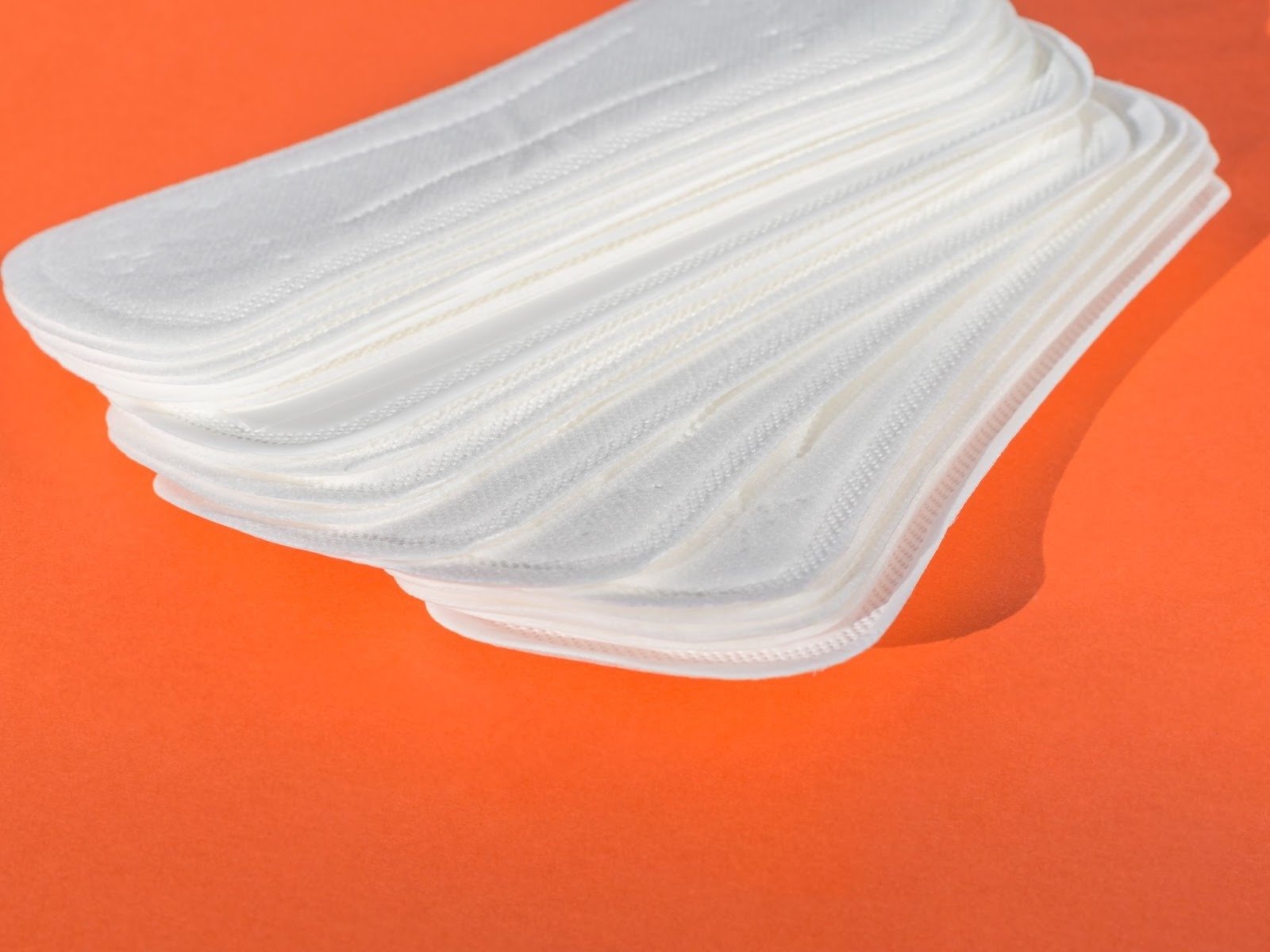

Menstrual hygiene plays a critical role in women’s health, comfort, and confidence. While sanitary pads are widely used for menstrual protection, many women experience period rashes, itching, redness, and skin irritation caused by prolonged moisture, friction, and unsuitable materials. Ensuring the use of rash-free sanitary pads and following proper menstrual hygiene practices can significantly reduce discomfort and help maintain healthy, irritation-free skin during periods.
In this comprehensive guide, we explore how to prevent period rashes, how to choose the best rash-free sanitary pads, and practical hygiene tips that help women stay comfortable throughout their menstrual cycle.
Understanding Period Rashes and Skin Irritation
Period rashes, also known as sanitary pad dermatitis, occur when the skin in the intimate area becomes inflamed due to prolonged exposure to moisture, friction, heat, or chemicals present in certain sanitary pads. This condition often manifests as:
- Redness and inflammation
- Itching or burning sensation
- Small bumps or rashes
- Skin sensitivity and soreness
- Discomfort while walking or sitting
The genital area has delicate and sensitive skin, making it highly susceptible to irritation when exposed to synthetic materials, fragrances, or inadequate airflow. Preventing these symptoms begins with selecting the right sanitary pads and maintaining optimal hygiene.
Common Causes of Period Skin Irritation
Understanding the triggers behind menstrual rashes allows women to take preventive steps. The most common causes include:
1. Prolonged Use of the Same Pad
Leaving a sanitary pad on for too long creates a warm, moist environment that encourages bacterial growth. This moisture buildup increases the likelihood of skin irritation and rashes.
2. Synthetic Materials
Many conventional pads contain plastic layers and synthetic fibers that restrict airflow. This lack of ventilation causes heat and sweat accumulation, leading to irritation.
3. Fragrances and Chemicals
Some sanitary pads include artificial fragrances, dyes, or bleaching agents that can trigger allergic reactions and skin sensitivity.
4. Friction and Tight Clothing
Continuous rubbing of the pad against the skin, especially when wearing tight underwear or clothing, increases friction and causes chafing.
5. Poor Menstrual Hygiene
Improper cleaning of the intimate area or infrequent pad changes can lead to bacterial buildup, resulting in rashes and infections.
See also: New Year Health Planning: Understanding Hearing Loss and When to Take Action
How to Choose Rash-Free Sanitary Pads
Selecting the right menstrual product is essential for preventing skin irritation. Women should prioritize skin-friendly, breathable, and chemical-free sanitary pads.
1. Choose Cotton-Based Pads
Pads made with 100% organic cotton allow the skin to breathe and absorb moisture effectively. Cotton is naturally soft, hypoallergenic, and gentle on sensitive skin, making it ideal for preventing irritation.
2. Look for Breathable Layers
High-quality sanitary pads include air-permeable back sheets that promote ventilation and prevent heat buildup.
3. Avoid Fragranced Products
Fragrances may seem appealing, but they often contain chemicals that disrupt the skin’s natural balance. Unscented pads are far safer for sensitive skin.
4. Opt for Dermatologically Tested Products
Sanitary pads that are clinically tested for skin safety reduce the risk of allergic reactions and irritation.
5. Select the Right Pad Size
Pads that are too large or too small can cause unnecessary friction or leakage issues. Choosing the correct size for your flow ensures comfort and proper protection.
Essential Hygiene Tips to Prevent Period Rashes
Maintaining good menstrual hygiene is just as important as choosing the right sanitary pad. The following practices help keep the skin clean, dry, and irritation-free.
Change Pads Frequently
Women should change sanitary pads every 4 to 6 hours, even if the flow is light. During heavy flow days, more frequent changes may be necessary to prevent moisture accumulation.
Keep the Intimate Area Dry
After washing the genital area, always pat the skin dry with a clean towel before wearing a new pad. Moisture trapped against the skin is a primary cause of irritation.
Use Mild Intimate Cleansers
Avoid harsh soaps or perfumed washes. Instead, use gentle, pH-balanced intimate cleansers or plain lukewarm water to clean the area.
Wear Breathable Underwear
Choose cotton underwear that allows proper airflow. Avoid tight synthetic fabrics that trap sweat and increase friction.
Maintain Proper Hygiene While Traveling
When outside the home, always carry extra sanitary pads, wipes, and hand sanitizer. Maintaining hygiene on the go helps reduce the risk of irritation and infections.
Natural Remedies to Soothe Period Rashes
If irritation occurs despite precautions, several natural remedies can help calm the skin and accelerate healing.
1. Coconut Oil
Coconut oil has natural antibacterial and anti-inflammatory properties. Applying a small amount to the affected area can soothe irritation and promote skin healing.
2. Aloe Vera Gel
Pure aloe vera gel provides cooling relief for inflamed skin and helps reduce redness and itching.
3. Cold Compress
Using a clean cold compress for a few minutes can reduce swelling and discomfort caused by rashes.
4. Neem or Chamomile Baths
Herbal baths containing neem or chamomile extracts may help soothe sensitive skin and prevent infections.
Alternative Menstrual Products for Sensitive Skin
Women who experience frequent rashes may benefit from exploring alternative menstrual hygiene products designed to minimize irritation.
Menstrual Cups
Menstrual cups are medical-grade silicone devices inserted into the vagina to collect menstrual fluid. They eliminate external friction and reduce the risk of pad-related rashes.
Reusable Cloth Pads
Cloth pads made from soft organic fabrics are washable, eco-friendly, and less likely to contain irritating chemicals.
Period Underwear
Period underwear includes built-in absorbent layers that replace disposable pads and reduce the chances of skin irritation.
Signs That Require Medical Attention
While mild irritation usually resolves with proper hygiene and product changes, certain symptoms require medical evaluation.
Seek medical advice if you experience:
- Persistent itching or severe rash
- Unusual discharge or odor
- Painful sores or swelling
- Symptoms lasting longer than a few days
These signs could indicate fungal infections, bacterial imbalance, or allergic reactions that require professional treatment.
Daily Habits That Support Menstrual Skin Health
Healthy skin during menstruation depends on overall lifestyle habits. Women should maintain routines that promote skin balance and hygiene.
Stay Hydrated
Adequate hydration helps regulate body temperature and reduces excessive sweating.
Maintain a Balanced Diet
Foods rich in vitamins, antioxidants, and healthy fats support skin health and strengthen the immune system.
Wear Loose Clothing
Loose clothing improves airflow and minimizes friction against sensitive areas.
Practice Good Hygiene
Regular bathing and careful cleaning of the intimate area help maintain optimal skin health during menstruation.
Conclusion: Achieving a Rash-Free Period Experience
Menstrual discomfort should never compromise a woman’s comfort, mobility, or confidence. By selecting high-quality rash-free sanitary pads, practicing proper hygiene, and adopting skin-friendly habits, women can significantly reduce the risk of period-related skin irritation.
The key lies in breathable materials, frequent pad changes, chemical-free products, and maintaining dryness in the intimate area. These simple yet effective practices ensure that every woman can experience a comfortable, irritation-free menstrual cycle while prioritizing her health and well-being.