
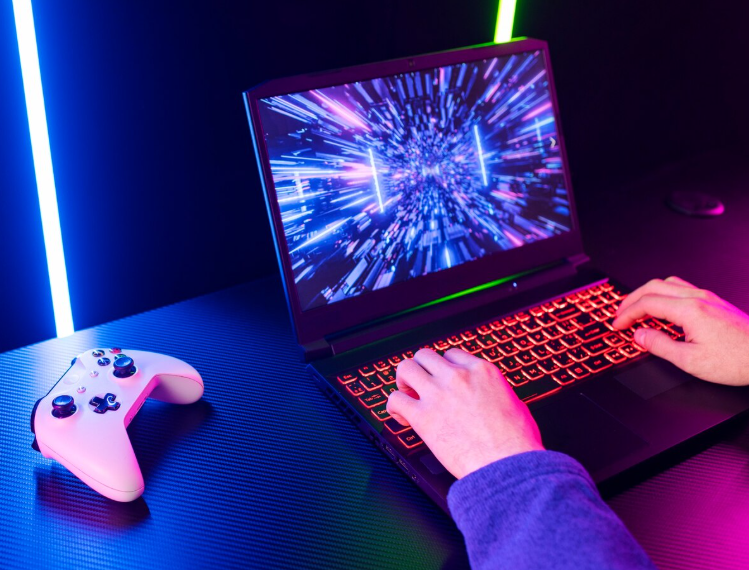

Gaming laptops have come a long way over the past decade. What was once considered a compromise compared to desktop gaming has now become a powerful and flexible option for serious gamers. In 2026, good gaming laptops are more capable than ever, offering high frame rates, advanced cooling systems, and immersive displays in portable designs.
For students, professionals, and competitive gamers who value mobility, choosing the right gaming laptop is an important investment. Understanding performance features, pricing trends, and practical considerations helps buyers make confident decisions.
How Gaming Laptops Have Evolved in 2026
Modern gaming laptops are no longer bulky machines with limited battery life. Manufacturers have focused on improving efficiency, design, and hardware integration.
In 2026, most good gaming laptops are powered by advanced multi-core processors that balance performance and energy consumption. These processors handle demanding games, streaming, and content creation without significant slowdowns.
Graphics technology has also improved. Dedicated GPUs now deliver desktop-level performance in mobile form factors. Features such as real-time ray tracing, AI-based upscaling, and enhanced thermal management contribute to smoother gameplay.
Displays have seen major upgrades. High refresh rates, low response times, and improved colour accuracy are now standard in mid-range and premium models.
These developments have made gaming laptops suitable for both casual players and professional esports competitors.
Key Performance Components to Look For
Performance is the main priority when choosing a gaming laptop. Several core components determine how well a device handles modern games.
The processor plays a central role in multitasking and game optimisation. High-performance CPUs with multiple cores and strong single-core speeds are essential for smooth gameplay and background applications.
The graphics card is equally important. A dedicated GPU with sufficient video memory ensures stable frame rates and supports advanced visual effects. For 2026 titles, mid-range to high-end GPUs are recommended for long-term usability.
Memory capacity affects loading speeds and multitasking. Most good gaming laptops now come with at least sixteen gigabytes of RAM, which is suitable for modern gaming and streaming.
Storage also matters. Solid-state drives are standard and provide faster boot times and game loading. Many laptops offer dual storage options for flexibility.
Display Quality and Gaming Experience
The display is where performance becomes visible. In 2026, gaming laptops focus heavily on screen quality.
High refresh rates, typically ranging from 144 Hz to 240 Hz, deliver smoother motion and reduce screen tearing. Competitive gamers benefit most from these features.
Resolution options vary. Full HD remains popular for high frame rates, while QHD and 4K displays appeal to players who prioritise visual detail.
Panel technology has improved, offering better brightness, contrast, and viewing angles. IPS and OLED screens are increasingly common in premium models.
Adaptive sync technologies help minimise stuttering and enhance visual stability during intense gaming sessions.
Cooling Systems and Thermal Management
Gaming laptops generate significant heat during heavy use. Effective cooling systems are essential for maintaining performance and hardware lifespan.
Manufacturers now use advanced heat pipes, vapour chambers, and multiple fans to regulate temperatures. Intelligent software controls adjust fan speeds based on workload.
Well-designed ventilation layouts improve airflow and reduce hotspots. Some models also feature liquid metal thermal compounds for better heat transfer.
Buyers should consider thermal performance seriously, as overheating can lead to throttling and reduced long-term reliability.
Battery Life and Portability
While gaming laptops are primarily performance-focused, battery efficiency has improved in recent years. In 2026, many models offer reasonable battery life for everyday tasks such as browsing and video streaming.
However, intensive gaming still requires a power connection for optimal performance. Lightweight designs and compact chargers have made portability more practical.
Thin-bezel displays and aluminium chassis designs contribute to slimmer profiles without compromising durability.
For users who travel frequently, weight and battery capacity remain important factors.
See also: Modern Innovations in Metal Bending Technology
Pricing Trends and Value Considerations
The price of gaming laptops varies widely depending on specifications and brand positioning. Entry-level models cater to casual gamers, while premium devices target enthusiasts and professionals.
Mid-range gaming laptops offer the best balance between performance and affordability. These models typically handle modern games at high settings without high costs.
High-end laptops include top-tier components, advanced displays, and premium build quality. While expensive, they provide long-term value for users who require maximum performance.
Seasonal promotions and bundle deals can significantly reduce prices. Buyers are encouraged to compare configurations carefully rather than focusing solely on brand names.
Connectivity and Additional Features
Modern gaming laptops support a wide range of connectivity options. High-speed WiFi, multiple USB ports, HDMI outputs, and Thunderbolt support improve versatility.
Mechanical-style keyboards, customisable RGB lighting, and precision touchpads enhance user experience. Audio systems have also improved, offering clearer sound and deeper bass.
Some models include software tools for performance tuning, fan control, and game optimisation. These features allow users to customise settings based on personal preferences.
Webcams, microphones, and streaming support are increasingly important for content creators and online gamers.
Choosing Based on Gaming Style and Usage
Different gamers have different priorities. Casual players may focus on affordability and portability, while competitive gamers prioritise frame rates and input responsiveness.
Content creators and streamers benefit from higher processing power and colour-accurate displays. Students and professionals may prefer balanced machines that perform well in both gaming and work environments.
Understanding personal usage patterns helps narrow down suitable options and prevents overspending on unnecessary features.

Maintenance and Long-Term Reliability
Gaming laptops require regular maintenance to perform optimally. Dust buildup, outdated drivers, and thermal degradation can affect performance over time.
Many modern models offer easy access to internal components for upgrades and cleaning. Upgradable RAM and storage extend device lifespan.
Manufacturer warranty coverage and after-sales support should also be considered when purchasing.
Investing in quality accessories such as cooling pads and protective cases helps preserve hardware condition.
Final Thoughts
Good gaming laptops in 2026 combine powerful hardware, refined designs, and advanced cooling systems to deliver impressive performance in portable formats. With careful evaluation of specifications, pricing, and personal needs, buyers can find models that offer excellent long-term value.
Whether for competitive gaming, content creation, or everyday use, modern gaming laptops provide flexibility and performance that rival traditional desktop setups.
FAQs
How long does a gaming laptop usually last?
With proper care and moderate upgrades, a good gaming laptop can remain usable for four to six years.
Is 16GB RAM enough for gaming in 2026?
Yes, sixteen gigabytes is sufficient for most modern games, streaming, and multitasking.
Can gaming laptops replace desktop computers?
For many users, high-end gaming laptops can replace desktops, especially when mobility is important.
Do gaming laptops overheat easily?
Well-designed models with advanced cooling systems manage heat effectively, but regular maintenance is still necessary.