
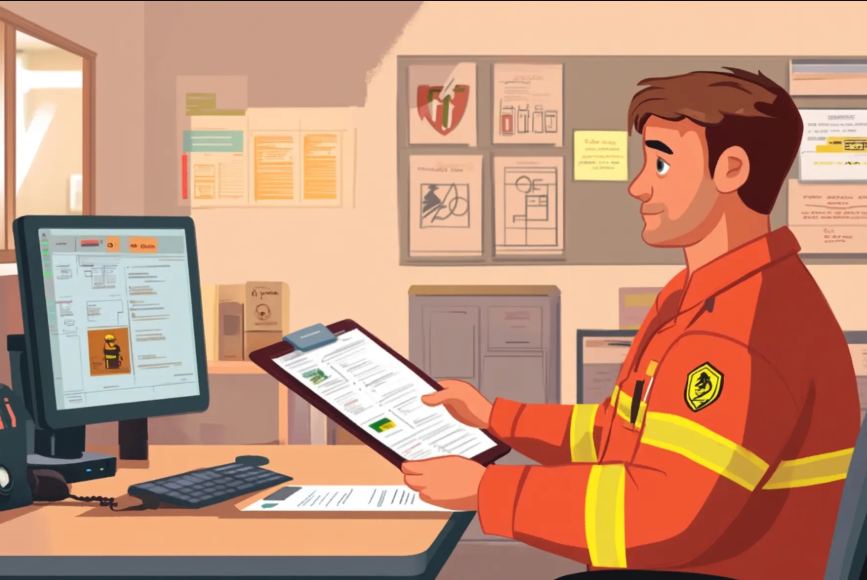
Fire Risk Assessment: A Complete Operational Guide for Fire Prevention and Emergency Readiness

Introduction: Turning Fire Safety into Daily Practice
Fire safety is most effective when it becomes part of daily operations rather than an occasional compliance task. A properly implemented Fire Risk Assessment helps organizations understand where fire dangers exist and how everyday activities can increase or reduce those risks.
When fire risk assessment is integrated into routine management, it improves awareness, reduces incidents, and ensures everyone knows their role during an emergency. This article explains how fire risk assessment supports fire prevention, readiness, and rapid response.
The Purpose of Fire Risk Assessment in Operations
Fire risk assessment is designed to create a clear and practical fire safety strategy.
Primary Objectives
- Identify fire hazards and unsafe conditions
- Reduce the likelihood of ignition
- Limit fire spread
- Protect occupants
- Support safe evacuation
An operational approach ensures that controls are actively used, not just documented.
See also: Top 5 Common Heating Problems Homeowners Face
Fire Risk Assessment and Everyday Activities
Daily work activities can introduce new fire risks.
Examples of Activity-Based Risks
- Use of portable electrical equipment
- Temporary storage of materials
- Maintenance and repair work
- Cleaning processes involving chemicals
Fire risk assessment evaluates how routine tasks affect fire safety.
Managing Ignition Sources Effectively
Controlling ignition sources is a critical prevention strategy.
Common Controls
- Electrical safety inspections
- Equipment shutdown procedures
- Hot work permits
- Prohibition of unauthorized heaters
Even small ignition sources can lead to major fires if left unmanaged.
Reducing Fuel Load in the Workplace
Limiting combustible materials reduces fire severity.
Fuel Control Measures
- Regular waste removal
- Fire-resistant storage cabinets
- Controlled stock levels
- Separation of fuels from ignition sources
Good housekeeping plays a key role in fire prevention.
Controlling Oxygen and Ventilation Risks
Ventilation can support fire growth if not managed properly.
Assessment Focus Areas
- Airflow patterns
- Ventilation shutdown controls
- Oxygen-enriched environments
Fire risk assessment ensures ventilation systems do not increase fire spread.
Fire Detection and Alarm Reliability
Early detection allows fast response.
Key Assessment Questions
- Are detectors suitable for the environment?
- Are alarms audible in all areas?
- Are systems tested regularly?
Reliable detection systems significantly reduce response time.
Firefighting Equipment and First-Aid Fire Response
First response measures must be practical and accessible.
Firefighting Readiness
- Correct extinguisher selection
- Clear signage
- Unobstructed access
- User training
Fire risk assessment verifies that equipment supports safe intervention.
Emergency Evacuation Preparedness
Evacuation planning must consider real conditions.
Evacuation Assessment Includes
- Exit capacity
- Travel distances
- Emergency lighting
- Assembly point management
Practiced evacuation improves calm and coordination.
Fire Wardens and Emergency Roles
Designated roles improve emergency response.
Key Responsibilities
- Coordinating evacuations
- Assisting vulnerable occupants
- Liaising with emergency services
Fire risk assessment helps define and support these roles.
Training and Competency Development
People must understand fire risks and procedures.
Essential Training Areas
- Fire prevention awareness
- Alarm response
- Evacuation drills
- Equipment use
Training should be practical and refreshed regularly.
Monitoring, Inspections, and Maintenance
Fire safety systems require ongoing attention.
Routine Checks
- Alarm testing
- Emergency lighting inspections
- Extinguisher servicing
- Exit route inspections
Fire risk assessment ensures maintenance is planned and recorded.
Incident Reporting and Learning
Near misses provide valuable lessons.
Learning from Incidents
- Identify root causes
- Improve controls
- Update procedures
- Share lessons learned
Continuous improvement strengthens fire safety performance.
Common Operational Weaknesses
Fire safety often fails due to overlooked issues.
Typical Problems
- Complacency
- Poor housekeeping
- Inadequate training
- Uncontrolled temporary work
Fire risk assessment highlights these weaknesses before incidents occur.
FAQs About Fire Risk Assessment
1. Can fire risk assessment prevent all fires?
No, but it greatly reduces likelihood and impact.
2. How does fire risk assessment support operations?
By integrating safety into daily tasks.
3. Is fire risk assessment relevant to low-risk sites?
Yes, even low-risk sites face fire hazards.
4. Should temporary activities be assessed?
Yes, temporary work often increases fire risk.
5. Who monitors fire risk controls daily?
Managers, supervisors, and trained staff.
6. How often should operational controls be reviewed?
Continuously, with formal reviews at least annually.
Conclusion
An effective Fire Risk Assessment transforms fire safety from a static requirement into an active operational process. By managing ignition sources, controlling fuel, preparing people, and maintaining systems, organizations can significantly reduce fire-related risks.
Fire prevention and emergency readiness depend on consistency, awareness, and action—supported by a strong fire risk assessment framework.