

Learning CPR is one of the most practical and empowering decisions anyone can make. It provides individuals with the capacity to respond with assurance during emergencies, where every second is crucial. However, not all courses are created equal, and selecting the right one depends heavily on your current knowledge, experience, and personal goals. If you are considering enrolling in a CPR course Adelaide, understanding how to match the course to your skill level is essential.
Understanding Your Starting Point
Before choosing a course, it is important to evaluate your current level of knowledge. Some individuals may have never received any form of first aid training, while others might have completed basic courses in the past. Beginners should look for programs that start with foundational concepts such as recognising cardiac arrest, performing chest compressions, and using automated external defibrillators.
For those with prior training, refresher courses can be more suitable. These programs focus on updating skills, reinforcing correct techniques, and introducing any new guidelines. Being honest about your starting point helps ensure that you are neither overwhelmed nor under-challenged during the training process.
Exploring Course Types And Formats
CPR training is available in various formats, ranging from comprehensive certifications to short intensive sessions. Some individuals prefer flexible learning options that combine online modules with practical in-person training. Others benefit more from fully hands-on experiences.
For busy professionals or those looking to gain skills quickly, an Express First Aid Course can be an efficient choice. These condensed sessions are designed to deliver essential knowledge in a shorter time frame while still maintaining practical application. They are ideal for people who need certification for workplace requirements or want to quickly build confidence in emergency response.
Matching Training To Your Goals
Your reason for taking a CPR course plays a significant role in determining the right option. For example, parents and caregivers often seek courses that emphasise child and infant resuscitation techniques. Workplace participants may need training that aligns with safety compliance standards.
Healthcare workers or individuals pursuing careers in emergency services typically require more advanced certifications. These courses go beyond the basics and cover complex scenarios, teamwork, and advanced life support principles. Aligning the course content with your personal or professional goals ensures that the training remains relevant and valuable.
Considering Accreditation And Standards
Not all CPR courses offer the same level of credibility. It is crucial to choose a program that follows recognised guidelines and provides valid certification. Accredited courses ensure that the training meets national standards and is widely accepted across workplaces and institutions.
Organisations such as FAP Australia play a role in promoting quality training and ensuring that courses adhere to established safety protocols. Choosing a course associated with reputable standards gives you confidence that the skills you learn are accurate and up to date.
Evaluating Practical Training Opportunities
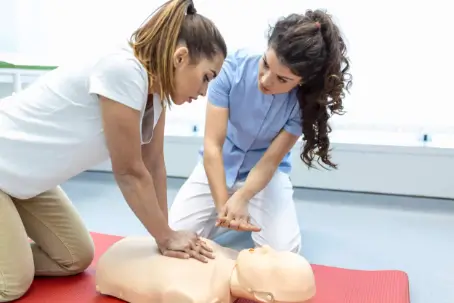
CPR is a hands-on skill that cannot be mastered through theory alone. When selecting a course, look for programs that offer sufficient practical training. This includes practising compressions on mannequins, simulating real-life scenarios, and receiving feedback from instructors.
Interactive sessions help build muscle memory and improve response time during actual emergencies. The more realistic the training environment, the better prepared you will be when faced with a real situation. Courses that prioritise practical application tend to leave participants feeling more confident and capable.
See also: Pharmacy Management System by Healthray for Smarter Healthcare Operations
Instructor Experience And Support
The calibre of instruction can have a substantial impact on the learning experience. Skilled instructors not only demonstrate techniques but also provide valuable insights based on real-world scenarios. They create an engaging environment where participants feel comfortable asking questions and practising skills.
Support does not end when the course is completed. Some programs offer ongoing resources, refresher materials, or opportunities for recertification. Choosing a course with strong instructional support ensures that your learning continues beyond the classroom.
Flexibility And Accessibility
Another important factor to consider is how well the course fits into your schedule. Many providers offer flexible timings, weekend classes, or blended learning options. Accessibility also includes the location of the training centre and the availability of resources.
A course that is convenient to attend increases the likelihood of completion and reduces unnecessary stress. When training is easy to access, participants are more focused and engaged, which leads to better learning outcomes.
Conclusion
Choosing the right CPR course is not just about enrolling in any available program. It is about finding a course that aligns with your skill level, goals, and learning preferences. From beginners seeking foundational knowledge to professionals requiring advanced training, there is an option for everyone. By assessing your starting point, exploring different formats, and ensuring proper accreditation, you can select a course that truly prepares you for real-life emergencies. Investing time in the right training today can make a life-saving difference tomorrow.