
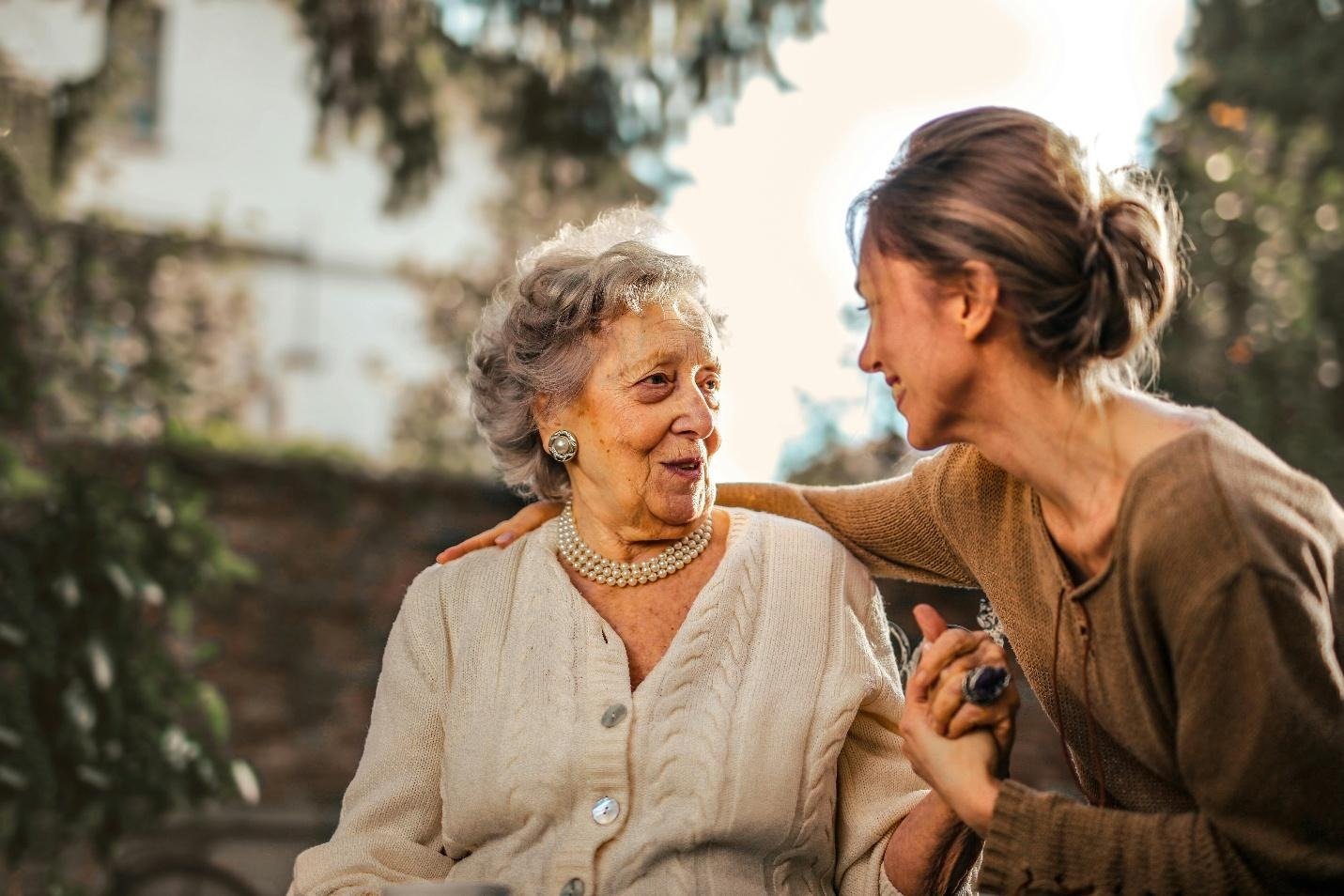

Social isolation is more than a feeling it’s a risk factor linked to poorer health outcomes. Older adults may gradually experience less frequent social contact due to mobility changes, driving limitations, or the loss of peers. Senior living addresses these challenges by creating built-in opportunities for connection. Proximity to neighbors, scheduled activities, and shared dining foster organic interactions that are hard to replicate at home.
A strong social fabric contributes to emotional well-being, cognitive stimulation, and a renewed sense of purpose. When support is nearby, residents are more likely to participate and less likely to withdraw.
Designing Environments That Encourage Engagement
The physical design of senior living communities plays a central role in fighting isolation. Thoughtfully arranged common areas, inviting outdoor spaces, and accessible amenities encourage residents to leave their apartments and engage. Coffee nooks, game rooms, fitness studios, and walking paths serve as social catalysts, making it easy to interact without formal plans.
Intentional programming—book clubs, crafting circles, brain games, intergenerational events, and volunteer opportunities—creates natural touchpoints. The result is authentic connection, not forced participation.
The Role of Life-Enrichment Programs
Life-enrichment teams curate calendars that balance routine and variety. Regular event rhythms (morning fitness, afternoon socials, weekly outings) build comfort, while special events—live music, cultural celebrations, or guest speakers—add color and excitement. Personalized invitations can help new residents overcome initial shyness and discover activities they’ll genuinely enjoy.
Importantly, programs are inclusive of different preferences and abilities. The aim is to meet residents where they are, offering meaningful choices that respect autonomy.
Supporting Emotional Wellness Through Care and Community
Loneliness often has multiple layers, including grief, anxiety, or adjustment fatigue. Senior living teams are trained to notice subtle changes and offer support—whether through a wellness check, a compassionate conversation, or a referral to counseling resources. Peer networks, spiritual services, and family engagement opportunities provide additional layers of emotional support.
Communities such as Carroll Place foster a culture where staff and residents look out for one another. This shared responsibility creates a safety net that reduces the likelihood of prolonged isolation.
See also: Pharmacy Management System by Healthray for Smarter Healthcare Operations
Involving Families as Partners in Connection
Family involvement enhances social well-being. Communities encourage participation in events, shared meals, and special celebrations, making it easy for loved ones to connect in a vibrant setting. Video calls, photo-sharing apps, and family newsletters extend the sense of presence even when distance is a factor.
When families, residents, and staff collaborate, isolation gives way to belonging—and daily life becomes richer, safer, and more joyful.
Conclusion
Senior living communities are designed to replace isolation with connection. Through engaging environments, thoughtful programming, and caring teams, residents rediscover companionship and purpose. With family involvement and individualized support, seniors can enjoy fuller, more connected lives. The result is a healthier, happier daily experience where relationships are central and loneliness is the exception—not the norm.