
Running a small business in the city of Sydney means juggling a dozen tasks at once. You’re managing inventory, chasing invoices, and trying to keep customers happy. Then there’s product labeling.
Maybe you’ve been outsourcing your labels. Perhaps you’re printing them on A4 sheets and cutting them by hand. Either way, you’ve probably wondered if there’s a better approach.
Label printers in Sydney might be the best solution. However, choosing the wrong equipment can drain your budget and create more headaches than it solves.
Let’s break down what you actually need to know.
The Real Costs Nobody Talks About
Here’s where things get messy. Label printers in Sydney aren’t just a one-time purchase.
You need label stock. Different materials cost different amounts. Paper labels are cheap but don’t handle moisture well. Synthetic labels last longer but cost more upfront.
Then there’s maintenance. Printheads wear out. Consumables need replacing. Desktop printers can be fussy about alignment.
Some Sydney businesses spend $2,000 on a printer, then discover they’re paying $150 every month on materials and maintenance. That adds up fast when you’re watching every dollar.
Another hidden cost is time. Learning the software may take hours. Troubleshooting paper jams eats into your day. If you’re already stretched thin, this can feel like another burden.
See also: Why Tech Lovers Prefer to Buy 3 in 1 Wireless Charger Online
Types of Label Printers (And What They’re Good For)
Not all label printers work the same way. The technology varies, and that affects what you can print.
Thermal transfer printers use heat and a ribbon to create long-lasting labels. They’re great for products that need durability. Think of bottles that sit in fridges or packages exposed to sunlight. The print won’t fade or smudge easily.
Direct thermal printers skip the ribbon. They print directly onto heat-sensitive label stock. Cheaper to run, but the labels fade over time. Fine for shipping labels or short-term use. Not ideal for retail products.
Inkjet label printers offer full colour printing. If your brand relies on vibrant designs or photo-quality images, this might be your pick. The downside? Ink cartridges get expensive. And if moisture hits the label, the print can run.
What Sydney Regulations Mean for Your Labels
This part catches people off guard. You can’t just print whatever you want on a label.
Food businesses must follow Food Standards Australia New Zealand guidelines. That means specific font sizes for allergen warnings, expiry dates, and ingredient lists. Get it wrong, and you’re risking fines or product recalls.
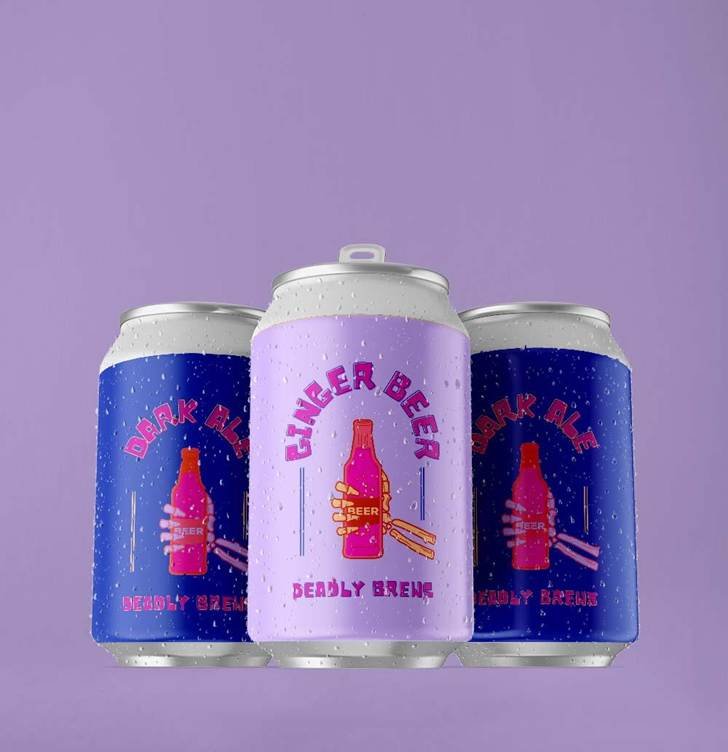
Alcohol labels have even stricter rules. The Australian Taxation Office requires particular information on wine and beer labels. Standard drinks, alcohol content, and producer details. Missing any of these can cause problems with retailers or regulators.
Cosmetics and skincare products need ingredient listings in descending order. Some businesses try to cram everything onto a tiny label and end up with unreadable text.
Your label printer needs to handle these requirements. Small text must stay sharp. Barcodes need to be scanned properly. If your printer can’t deliver that quality, you’re setting yourself up for compliance issues.
When Outsourcing Makes More Sense
Let’s be honest. Sometimes buying a label printer isn’t the smart move.
If you’re printing fewer than 500 labels a month, outsourcing probably costs less. Professional printing services have economies of scale you can’t match.
Questions to Ask Before Buying
So you’re still considering a label printer. Smart. But ask yourself these questions first.
How many labels do you print each week? Be realistic. Factor in slow months and busy periods.
What materials do your products need? A printer that works perfectly on paper might struggle with synthetic stock.
In such cases, think about whether you have the time to manage this. Someone needs to handle design files, load materials, and fix problems when they pop up.
What’s your backup plan? If the printer breaks during a product launch, can you wait for repairs, or do you need labels immediately?
Can you afford to experiment? Getting label design right takes trial and error. Expect to waste some materials while you figure out sizing, colours, and finishes.
The Middle Ground Option
Some Sydney businesses split the difference. They outsource premium labels for retail products but keep a basic thermal printer for shipping labels and internal organisation.
This approach limits risk. Your customer-facing labels still look professional. But you gain flexibility for day-to-day operations.
Another option is print-on-demand services that work with small quantities. You upload designs online, order 50 or 100 labels, and they arrive within days. No equipment investment. No maintenance headaches.
It’s not as instant as printing in-house. But for many small businesses, it’s the practical choice.
Making the Decision That Fits Your Business
Label printers aren’t magic solutions. They’re tools that work brilliantly in some situations and create problems in others. If you’re printing thousands of labels monthly, need constant design changes, or can’t wait days for stock, a printer makes sense.
Takeaway
Your labels represent your brand, inform customers, and meet legal requirements. Hence, they matter more than you think. Whether you print them yourself or work with professionals, what counts is getting them right.