

In the maritime industry, vessel performance depends on more than just engine power and hull design. One of the most critical yet often overlooked components is the marine exhaust system. A reliable marine exhaust system not only removes combustion gases safely but also plays a vital role in optimizing engine efficiency, improving fuel economy, reducing noise, and ensuring onboard safety. Whether for commercial fleets, fishing vessels, patrol boats, or luxury yachts, investing in a dependable exhaust solution is essential for long-term operational success.
The Role of Marine Exhaust Systems in Vessel Operation
Marine engines generate high-temperature exhaust gases during combustion. These gases must be expelled efficiently to maintain proper engine function and prevent dangerous buildup. A well-designed marine exhaust system ensures smooth discharge while minimizing backpressure, which can negatively affect engine performance.
Excessive backpressure forces the engine to work harder, leading to increased fuel consumption, overheating, and premature wear. In contrast, a reliable exhaust system promotes optimal airflow, enabling the engine to operate at peak efficiency. This directly translates into better throttle response, consistent power delivery, and improved overall vessel performance.
In addition to performance benefits, marine exhaust systems contribute to onboard safety. Proper routing and insulation prevent heat damage to nearby components and reduce the risk of fire hazards. Leak-free construction also ensures harmful gases such as carbon monoxide are safely directed away from crew and passengers.
Key Components of a Reliable Marine Exhaust System
A high-quality marine exhaust system consists of several integrated components designed to function seamlessly together. These typically include:
- Exhaust manifolds
- Risers and elbows
- Exhaust pipes and tubing
- Mufflers or silencers
- Water injection systems (for wet exhaust setups)
- Clamps, brackets, and support structures
Each component must be engineered to withstand extreme conditions, including high temperatures, moisture exposure, saltwater corrosion, and continuous vibration.
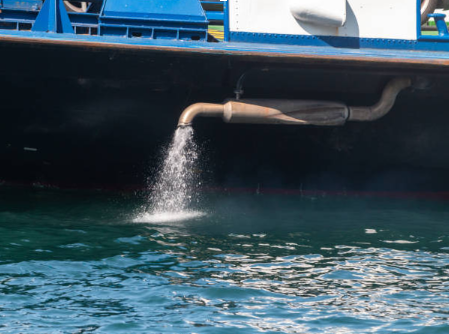
Wet exhaust systems are commonly used in marine applications. These systems mix seawater with exhaust gases to reduce temperature before discharge. This cooling process protects the exhaust piping and minimizes heat buildup within the engine compartment. Dry exhaust systems, on the other hand, are often used in high-performance or specialized vessels where maximum efficiency and specific routing requirements are priorities.
Materials Matter: Durability in Harsh Marine Environments
Marine environments are unforgiving. Constant exposure to saltwater, humidity, and fluctuating temperatures accelerates corrosion in standard materials. Reliable marine exhaust systems are typically constructed from corrosion-resistant materials such as marine-grade stainless steel.
Stainless steel offers exceptional resistance to rust and pitting, particularly when high-grade alloys are used. Its strength allows it to endure thermal cycling and vibration without cracking or deforming. Additionally, stainless steel maintains structural integrity even under prolonged exposure to elevated exhaust temperatures.
Using premium materials significantly reduces maintenance requirements and extends system lifespan. For vessel operators, this means fewer repairs, less downtime, and lower long-term operating costs.
Enhancing Engine Efficiency and Fuel Economy
Engine efficiency is directly linked to exhaust performance. A poorly designed exhaust system restricts airflow, creating backpressure that reduces combustion efficiency. When exhaust gases cannot exit freely, fresh air intake is compromised, leading to incomplete combustion and wasted fuel.
Reliable marine exhaust systems are engineered with smooth bends, properly sized piping, and optimized routing to maintain balanced pressure levels. By minimizing restrictions, these systems improve engine breathing and combustion quality. The result is enhanced fuel efficiency and reduced emissions.
For commercial operators managing large fleets, even small improvements in fuel efficiency can translate into significant cost savings over time. Reliable exhaust systems therefore serve not only as mechanical components but also as strategic investments in operational profitability.
Noise Reduction and Onboard Comfort
Noise control is another critical factor in marine exhaust system design. Excessive engine noise can create discomfort for passengers and fatigue for crew members, particularly on long voyages.
Modern marine exhaust systems integrate advanced mufflers and silencers designed to dampen engine noise without compromising performance. These acoustic components are carefully tuned to reduce sound levels while maintaining optimal exhaust flow.
In luxury yachts and passenger vessels, quiet operation enhances the overall onboard experience. For commercial and fishing vessels, improved noise management supports better communication and safer working conditions.
Safety and Compliance Considerations
Marine regulations require vessels to meet specific safety and environmental standards. Reliable exhaust systems are designed to comply with emission regulations and safety guidelines set by maritime authorities.
Proper installation and insulation reduce the risk of overheating and fire hazards. Secure mounting systems prevent excessive movement or vibration that could lead to structural failure. Leak-proof joints and high-quality welds ensure exhaust gases are safely discharged without entering occupied spaces.
Regular inspection and maintenance further enhance reliability. Routine checks for corrosion, loose connections, or blockages help prevent unexpected failures and ensure continued compliance with maritime safety standards.
Customization for Optimal Performance
Every vessel has unique design constraints and operational demands. Engine size, hull configuration, available space, and intended usage all influence exhaust system requirements. Reliable marine exhaust solutions are often customized to fit these specific parameters.
Custom fabrication ensures precise alignment, efficient routing, and compatibility with onboard systems. Advanced manufacturing techniques allow for precision bending, high-quality welding, and accurate fitting. This tailored approach not only improves performance but also simplifies installation and future maintenance.
Customization also enables integration with emission control technologies, thermal insulation systems, and vibration-dampening components. By addressing vessel-specific challenges, custom exhaust systems maximize reliability and operational efficiency.
See also: bookkeeping fundamentals for businesses
Maintenance and Longevity
Even the most durable exhaust system requires periodic maintenance. Salt deposits, soot accumulation, and normal wear can affect performance over time. Routine cleaning and inspection help maintain optimal airflow and identify potential issues early.
Reliable marine exhaust systems are designed with accessibility in mind. Strategic placement of joints and inspection points simplifies servicing and reduces maintenance time. High-quality materials and construction techniques further extend service life, ensuring consistent performance over years of operation.
Proactive maintenance not only protects the exhaust system itself but also safeguards the engine. By ensuring efficient exhaust flow, vessel operators can prevent engine strain and extend overall machinery lifespan.
Driving Long-Term Vessel Performance
A reliable marine exhaust system is more than a supporting component—it is a key contributor to vessel performance, safety, and efficiency. From improving engine output and fuel economy to reducing noise and enhancing compliance, the exhaust system directly influences daily operations.
For commercial vessels, reliability means uninterrupted service and predictable operating costs. For recreational boats and yachts, it ensures smooth, comfortable journeys. Across all marine sectors, the value of a dependable exhaust system cannot be overstated.
Conclusion
Reliable marine exhaust systems play a crucial role in enhancing vessel performance by ensuring efficient gas discharge, minimizing backpressure, improving fuel economy, and maintaining onboard safety. Built with durable materials and precision engineering, these systems are designed to withstand harsh marine conditions while delivering consistent, long-lasting results.
By investing in a high-quality exhaust solution tailored to your vessel’s specific requirements, you can improve operational efficiency, reduce maintenance costs, and ensure compliance with marine safety standards. To learn more about advanced marine exhaust solutions designed for durability and performance, contact us today and discover how the right system can elevate your vessel’s reliability and efficiency for years to come.