Precision CNC Turning vs. Conventional Turning: What Delivers Greater Accuracy for Complex Components?

In the world of machining, accuracy is everything — especially when producing complex components that must fit with exacting tolerances. Two of the most commonly used turning methods are precision CNC turning and conventional turning. While both processes serve the same general purpose — shaping materials into precise geometries — they differ significantly in their approach, capabilities, and the level of accuracy they can achieve.
This comparison will explore how precision CNC turning stacks up against conventional turning, helping manufacturers and engineers understand which method delivers superior accuracy, especially when working with intricate designs and tight tolerances.
1. Mechanism of Action: Automated vs. Manual Control
At the core of their differences, precision CNC turning and conventional turning rely on very different mechanisms.
Precision CNC Turning
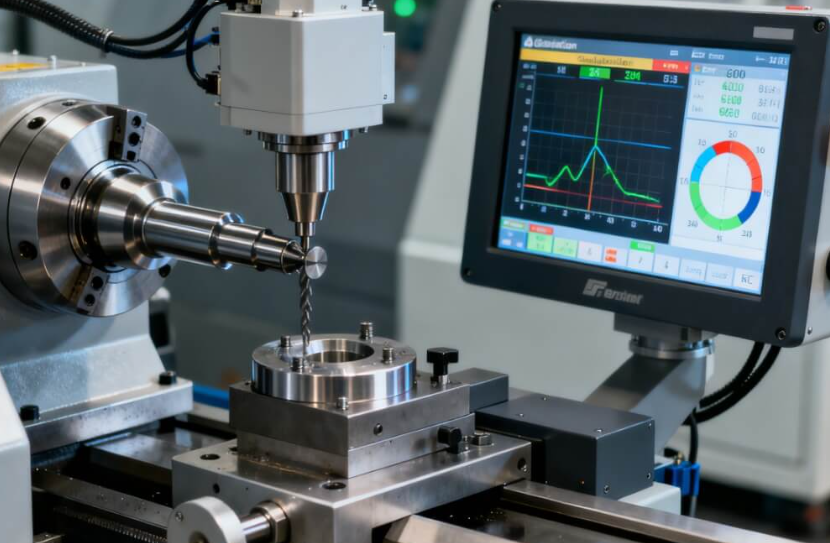
In precision CNC (Computer Numerical Control) turning, the machine is controlled by computer programs that precisely direct the movement of the cutting tools. The program allows for complex shapes and detailed specifications to be programmed directly into the machine, ensuring that each component is produced to the exact specifications.
- Computer-controlled movements allow for intricate details and complex designs
- Continuous, automated processes lead to greater consistency across production runs
- Less human intervention reduces the potential for error
Conventional Turning
Conventional turning, on the other hand, involves manual operation. An operator uses a lathe to shape material by turning it against a cutting tool. While experienced machinists can achieve high levels of precision with conventional methods, manual turning is inherently more prone to human error, which can compromise accuracy.
- Human intervention introduces variability in cutting tool movements
- Operators may rely on experience and manual adjustments
- While flexible, the process is slower and more prone to mistakes, especially with complex parts
2. Precision and Accuracy: Achieving Tight Tolerances
Accuracy in turning processes is crucial for industries where components must fit together precisely, such as in aerospace, automotive, and medical devices.
Precision CNC Turning
CNC turning excels in accuracy, especially when producing complex components with tight tolerances. The computer programming allows for incredibly fine control over tool movement, often achieving tolerances within microns (thousandths of a millimeter). CNC machines also have the ability to repeat the same operation hundreds or thousands of times without any variation, ensuring that each part is produced with the same level of precision.
Conventional Turning
While conventional turning can be accurate, it is more difficult to achieve the same level of precision as CNC turning. The manual process relies on the operator’s skill and the machine’s inherent stability. Tolerances in conventional turning may not be as tight as those achieved through CNC, especially in high-volume production.
Conclusion:
For parts that require high-precision CNC turning to meet exact specifications, the CNC approach is superior. Conventional turning, while accurate, often falls short when compared to the repeatability and precision of CNC systems.
3. Production Time: Speed and Efficiency
Speed is critical in manufacturing, particularly for high-volume production runs. The ability to produce parts quickly without sacrificing quality or accuracy is a significant advantage.
Precision CNC Turning
Precision CNC turning is highly automated and designed for efficiency. Once the program is set up, the machine can run continuously with minimal intervention. This leads to faster production times, particularly for parts with complex geometries or high tolerance requirements. Additionally, CNC machines can often perform multiple operations in a single pass, reducing cycle time.
- Faster production cycles
- Reduced manual setup time
- Ability to perform multiple operations in one machine run
Conventional Turning
Conventional turning requires the operator to make manual adjustments, change tools, and perform measurements throughout the process. As a result, it generally takes more time to produce each part. The reliance on human skill and adjustment can also introduce delays or errors, particularly in large production runs.
Conclusion:
For faster production and greater efficiency, precision CNC turning outperforms conventional turning, particularly for parts requiring high accuracy and repeatability.
4. Complex Geometries: Customization and Versatility
When it comes to producing parts with complex or intricate geometries, the choice between CNC and conventional turning becomes even more pronounced.
Precision CNC Turning
CNC turning can handle very complex geometries without sacrificing precision. The machine’s ability to follow a pre-programmed path allows it to create intricate shapes, even those with undercuts, grooves, or compound angles. CNC machines can also easily accommodate design changes or custom specifications, making them highly versatile for a wide range of parts.
- Handles complex geometries with ease
- Allows for quick changes in design or production runs
- Enables multi-axis machining for increased versatility
Conventional Turning
Conventional turning is more limited when it comes to producing complex geometries. While it can handle basic cylindrical and conical shapes, producing parts with intricate features often requires additional operations or manual adjustments. As a result, the process is slower and less adaptable to complex designs.
Conclusion:
When manufacturing parts with intricate features and complex geometries, precision CNC turning is the clear choice due to its ability to handle complex designs automatically and with high accuracy.
5. Material Flexibility: Handling a Variety of Materials
Different types of materials have varying levels of hardness, brittleness, and machinability. The ability to work with different materials without compromising precision is crucial in many industries.
Precision CNC Turning
CNC machines are capable of working with a wide variety of materials, including metals (aluminum, steel, titanium), plastics, and composites. The machine’s programming can be adjusted to optimize cutting speeds, feeds, and tool selection based on the material being used.
- Efficient for both hard and soft materials
- Tools and speeds can be adjusted automatically for different materials
- Highly adaptable to different types of materials and surface finishes
Conventional Turning
While conventional turning can also handle a variety of materials, the operator must adjust settings manually for each material type. This not only slows down production but also requires more expertise from the operator to achieve the desired finish.
Conclusion:
Precision CNC turning offers greater versatility when working with different materials, allowing manufacturers to easily switch between material types without adjusting the entire system.
See also: Revolutionizing Sleep with Modern Technology
6. Cost Considerations: Upfront Investment vs. Long-Term Efficiency
While CNC turning often requires a higher initial investment in equipment and software, the cost efficiency over time can outweigh the upfront costs. The automated nature of CNC machining reduces labor costs, minimizes material waste, and speeds up production.
Precision CNC Turning
Although the setup cost for CNC machines is higher, the overall costs per unit tend to be lower in high-volume production runs due to:
- Reduced labor costs and human error
- Faster production cycles
- Minimal waste due to precise cutting
Conventional Turning
Conventional turning may have a lower initial investment, but it involves higher labor costs, longer production times, and increased risk of error. As a result, it may be more expensive in the long run, especially for complex or high-volume parts.
Conclusion:
Precision CNC turning provides better cost-efficiency in the long run due to its automation, reduced labor requirements, and faster production times.
7. Maintenance and Downtime: Minimizing Disruptions
Downtime due to maintenance can be costly in any manufacturing environment. Ensuring that machines are reliable and easy to maintain is critical.
Precision CNC Turning
Modern CNC machines are designed for durability and ease of maintenance. Regular maintenance intervals, diagnostic tools, and automated error detection ensure that machines stay operational with minimal downtime. Moreover, because CNC machines are so precise, they rarely require the same level of manual intervention as conventional turning machines.
- Fewer maintenance interventions
- Diagnostic tools to preemptively address issues
- Extended operational lifespan
Conventional Turning
Conventional lathes, while sturdy, may require more frequent manual adjustments, calibration, and tool replacements. Operator-driven adjustments can also lead to inconsistency over time, requiring more repairs and downtime.
Conclusion:
With precision CNC turning, manufacturers experience less downtime and reduced maintenance, allowing for smoother operations and higher uptime.
Conclusion
When it comes to producing high-precision components, precision CNC turning offers a host of advantages over conventional turning, including greater accuracy, faster production times, flexibility with complex geometries, and cost efficiency in the long term. While conventional turning can still be useful for simpler, low-volume applications, it’s clear that precision CNC turning is the preferred choice for industries demanding consistent, high-quality results.
For manufacturers working with tight tolerances, intricate designs, and varying materials, investing in precision CNC turning is a step toward improving overall productivity, reducing downtime, and ensuring the highest level of precision.