Central Loose Tube Armored Cable: Built for Strength and Reliable Fiber Performance

Central Loose Tube Armored Cable: Built for Strength and Reliable Fiber Performance oose tube armored cable. Designed for challenging environments, this cable type combines robust protection with efficient signal transmission, making it a reliable option for modern communication infrastructure.
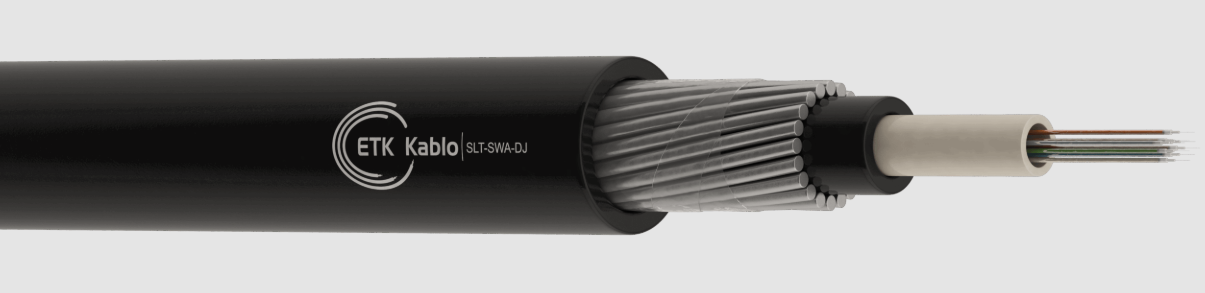
A central loose tube armored cable features a single central tube that houses optical fibers, surrounded by protective layers including armor. This structure helps shield the fibers from physical damage, moisture, and environmental stress while maintaining signal integrity. It is widely used in outdoor installations where conditions can be unpredictable and demanding.
How Central Loose Tube Armored Cable Enhances Network Reliability
The design of a central loose tube armored cable is focused on protection and stability. The central tube contains fibers loosely arranged within a gel or water-blocking material. This allows the fibers to move slightly, reducing stress caused by temperature fluctuations or mechanical tension.
The armored layer, typically made from steel or aluminum, adds an extra level of defense. It protects the cable from external threats such as rodent damage, crushing forces, and accidental impacts. This makes the cable particularly suitable for direct burial, duct installations, and even harsh industrial environments.
Another advantage lies in its moisture resistance. Water ingress is a common concern in outdoor fiber networks, but the construction of this cable includes water-blocking elements that prevent penetration. As a result, the fibers remain protected even in wet or humid conditions.
Ideal Applications Across Diverse Environments
The versatility of the central loose tube armored cable makes it suitable for a variety of deployment scenarios. In long-distance communication networks, it is often used for backbone connections where reliability is critical. Its strong structure ensures consistent performance over extended distances.
For rural and remote areas, where infrastructure may be exposed to harsh weather or physical risks, this cable offers a dependable solution. It can be installed underground or in ducts without requiring additional protective conduits, which simplifies deployment.
Industrial zones also benefit from this cable type. Environments with heavy machinery or potential mechanical hazards demand extra protection, and the armored construction helps safeguard the fibers from damage. This ensures uninterrupted connectivity in settings where downtime can be costly.
See also: Why Businesses Need AML Software in 2026
Installation Considerations and Long-Term Performance
Although the central loose tube armored cable is built for durability, proper installation remains essential. Careful planning is required to determine appropriate routing, bending radius, and tension limits. These factors help preserve the cable’s structural integrity and prevent unnecessary strain on the fibers.
Handling during installation should also be done with attention to detail. While the armor provides protection, improper handling can still impact performance. Following recommended practices ensures that the cable delivers its full potential over time.
Maintenance requirements are generally minimal due to the cable’s rugged design. However, periodic inspections can help identify any external damage or environmental impact. Early detection of issues allows for timely intervention, reducing the risk of network disruptions.
Conclusion
The central loose tube armored cable stands out as a dependable solution for fiber optic networks that demand both strength and performance. Its combination of a flexible loose tube structure and protective armor ensures that optical fibers remain secure in a wide range of conditions.
As communication networks continue to expand into more challenging environments, this cable type provides the resilience needed to maintain consistent connectivity. By balancing protection, efficiency, and adaptability, the central loose tube armored cable plays a key role in supporting the future of reliable fiber infrastructure.