
Introduction to Flame Photometry
Flame photometry is a vital analytical technique widely used in molecular spectroscopy, clinical laboratories, pharmaceuticals, and environmental research. It allows scientists to accurately measure and quantify metal ions such as sodium, potassium, calcium, and lithium in various types of samples. The reliability of this method depends heavily on the quality of the instrument used. A well-calibrated flame photometer instrument provides precise and reproducible results, making it essential for accurate elemental analysis.
How a Flame Photometer Instrument Works
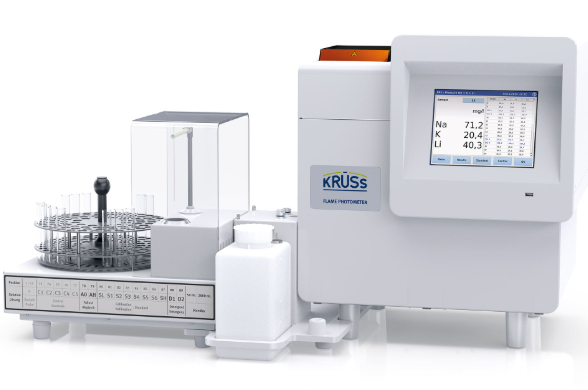
A flame photometer instrument operates by introducing a liquid sample into a flame. The heat excites the electrons of metal ions in the sample, causing them to emit light at specific wavelengths. The intensity of this emitted light is directly proportional to the concentration of the ions, which is then measured by the photometer’s detector.
Modern flame photometer instruments are equipped with digital displays, automated calibration systems, and software integration for data acquisition. These features help reduce human error, enhance reproducibility, and improve laboratory efficiency.
Applications in Clinical Laboratories
In clinical settings, flame photometry plays a crucial role in analyzing electrolytes such as sodium, potassium, and calcium in blood, urine, and other biological samples. Accurate measurement of these electrolytes is critical for diagnosing and monitoring medical conditions like dehydration, kidney disorders, and cardiac imbalances.
By using a high-quality flame photometer instrument, clinical laboratories can achieve reliable and consistent results. The automated calibration and digital readouts of modern instruments also allow for faster sample processing, which is vital in high-volume diagnostic labs.
Applications in Pharmaceutical Research
Pharmaceutical laboratories use flame photometry for quality control, formulation analysis, and raw material testing. The precise measurement of metal ions ensures the safety, stability, and compliance of pharmaceutical products.
A reliable flame photometer instrument reduces the risk of inaccurate readings, allowing pharmaceutical researchers to maintain rigorous quality standards. The ability to handle multiple samples efficiently makes it an indispensable tool in both research and production environments.
Environmental and Industrial Applications
Flame photometry is equally important in environmental and industrial laboratories. Environmental scientists use it to detect metal ions in water, soil, and air samples, ensuring regulatory compliance and public safety. Industrial laboratories utilize flame photometry for quality control in chemical manufacturing, food processing, and fertilizer production.
A well-maintained flame photometer instrument provides accurate readings even in complex sample matrices, making it a versatile tool for diverse analytical requirements. Its sensitivity and reproducibility are particularly valuable in laboratories that process large sample volumes.
See also: Revolutionizing Sleep with Modern Technology
Advantages of Using a Flame Photometer Instrument
- High Accuracy: Detects low concentrations of metal ions with precision.
- User-Friendly Operation: Digital readouts and automated calibration simplify measurement.
- Versatility: Suitable for clinical, pharmaceutical, environmental, and industrial applications.
- Reproducible Results: Advanced optics and sensors provide consistent and reliable data.
Technological Advancements
Recent developments in flame photometer instrument instruments have enhanced performance and usability. Many modern instruments include features such as multi-element detection, temperature-stable flame systems, automated sample introduction, and software integration for data logging and analysis.
These technological improvements allow laboratories to perform analyses with higher throughput, minimize human error, and maintain rigorous quality control. Investing in a modern flame photometer instrument ensures long-term reliability, technical support, and calibration services, which are essential for precise laboratory work.
Best Practices for Laboratory Use
To achieve optimal performance and prolong the lifespan of a flame photometer instrument, laboratories should adopt best practices including proper sample preparation, routine calibration, adherence to standard operating procedures, and regular maintenance checks.
Implementing these practices protects sample integrity, ensures accurate and reproducible results, and minimizes downtime due to equipment issues. Proper training for laboratory staff is also essential to maximize the benefits of the instrument.
Conclusion
A flame photometer instrument is an indispensable tool for laboratories involved in clinical diagnostics, pharmaceutical research, environmental monitoring, and industrial quality control. Its precision, sensitivity, and versatility make it essential for accurate elemental analysis.
Integrating a high-quality flame photometer instrument into laboratory workflows enhances efficiency, ensures reliable data, and supports critical research and quality control operations. For modern laboratories seeking accurate, reproducible, and efficient analysis, this instrument is a cornerstone of advanced molecular spectroscopy.