
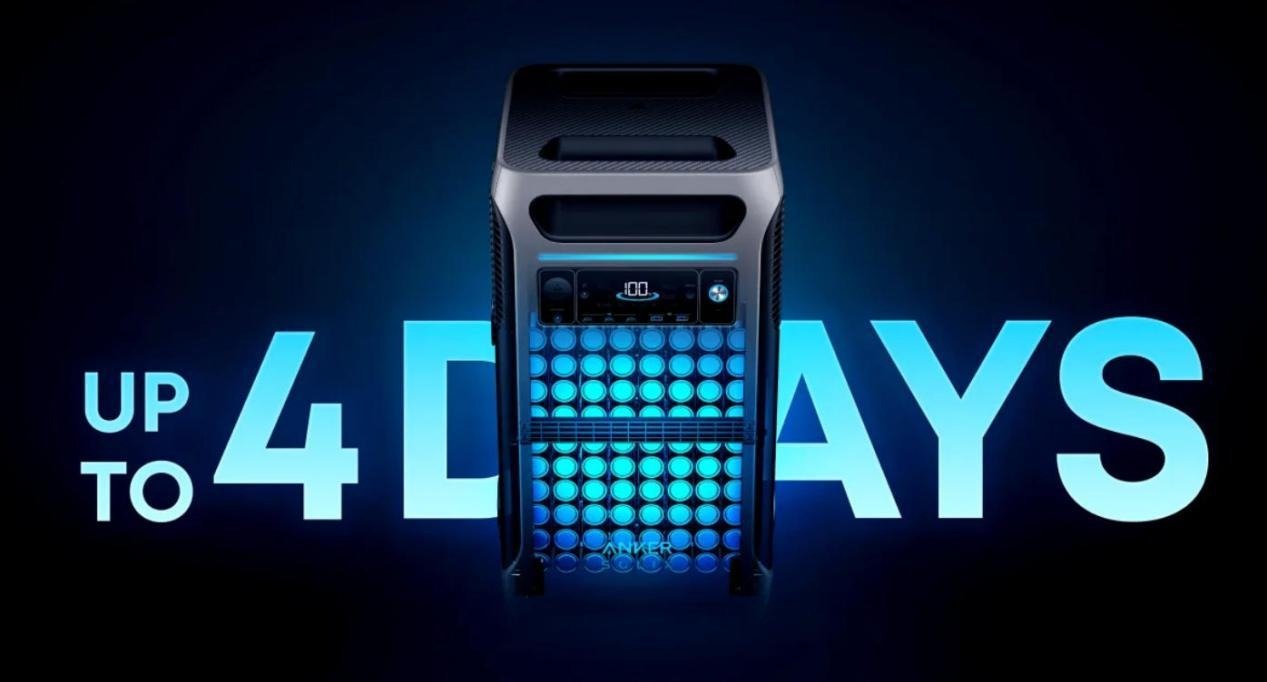

Many people view solar panels as standalone energy generators, yet panels alone cannot deliver stable, usable electricity throughout the day. A complete system depends on a storage component that manages fluctuating sunlight, converts power to the right voltage, and ensures devices receive consistent output. This is where a power station becomes essential. It acts as the bridge between raw solar input and dependable household or mobile energy use. Whether powering a cabin, supporting a grid-tied home, or enabling off-grid travel, the right power station determines how efficiently solar energy becomes daily fuel. Advanced models, such as the Anker SOLIX F3800 Plus Portable Power Station, demonstrate how a modern storage unit can integrate into solar ecosystems with minimal setup while contributing performance, stability, and safety. Understanding how these components work together helps users design smarter and more reliable solar solutions.
How a Power Station Becomes the Center of Solar Energy Flow?
Solar Input Turns Raw Sunlight Into Controllable Power
In any solar setup, panels serve as the collection mechanism. They capture sunlight and convert it into direct current, but the power still requires regulation. A power station manages this process by receiving the solar input, stabilizing it, and converting it into usable electricity. Its internal system decides how energy flows: whether it goes directly to powering devices, to charging internal batteries, or to both simultaneously. Many stations also optimize charging speed and protect the system from voltage fluctuations common in variable sunlight. High-efficiency models accept substantial solar wattage, enabling rapid replenishment during clear hours. This capability helps users build dependable off-grid systems that do not rely on constant sunshine. The F3800 Plus, for example, accepts strong solar input and can fully recharge quickly under optimal conditions, allowing stored energy to support heavy appliances even after daylight fades.
Energy Storage Brings Stability to Solar-Powered Living
Solar power fluctuates throughout the day, which makes storage a critical component. A power station captures excess energy during peak sunlight and preserves it for later. At night or on cloudy days, stored power maintains consistent output for devices and appliances. This stability transforms solar from a supplemental energy source into a reliable daily solution. Storage also protects the user from unexpected weather shifts that might interrupt charging. For homeowners using a hybrid approach, stored solar energy can reduce reliance on the grid, lower utility costs, and increase system resilience. Portable units enhance this flexibility by allowing users to move stored energy wherever it is needed—indoors, outdoors, or on the road.
Output Management Expands What Solar Panels Can Power
The power station determines which appliances solar energy can support. Because panels alone cannot power high-voltage devices directly, the station becomes the conversion hub. It provides AC and DC output options, manages surge demands from appliances, and ensures each device receives stable voltage. For systems requiring both 120V and 240V support, a dual-voltage station broadens the range of compatible appliances. Refrigerators, pumps, heaters, and even central AC units become viable solar-powered loads when the station can deliver the required output. In many cases, this output flexibility transforms a simple solar setup into a comprehensive home backup or mobile living solution. Users gain the freedom to run critical devices during outages or supply off-grid energy for extended trips.
How Solar Systems Benefit from Intelligent Power Station Design?
Solar Scalability Allows a System to Grow With the User
One major advantage of pairing solar with a power station is expandability. A well-designed station supports modular growth, allowing users to begin with a small setup and increase capacity as energy needs evolve. This approach avoids the high upfront cost of full home systems while still enabling meaningful progress toward energy independence. Adding more panels or connecting expansion batteries can extend usable energy across days or weeks. Versatile systems accept multiple solar configurations, giving users freedom in how they position or combine panels. The Anker SOLIX F3800 Plus Portable Power Station supports scalable storage and multiple charging pathways, enabling gradual buildout without requiring professional installation. Such systems adapt naturally to changing household needs, seasonal travel, or growing off-grid lifestyles.
See also: Modern Innovations in Metal Bending Technology
System Management Improves Efficiency and User Control
A high-quality power station provides insight and control over the solar ecosystem. Users monitor charge levels, manage output, and track energy consumption through onboard interfaces or mobile apps. These tools help users understand how different appliances draw energy and how weather conditions affect generation. They also support scheduled charging or automatic responses to specific triggers. For example, a system may increase charging when extreme weather is forecasted, ensuring adequate reserves before a storm. Intelligent management prevents energy waste, increases battery longevity, and maximizes the usefulness of every hour of sunlight. Such capabilities turn solar from a passive setup into an actively managed energy resource, improving both convenience and reliability.
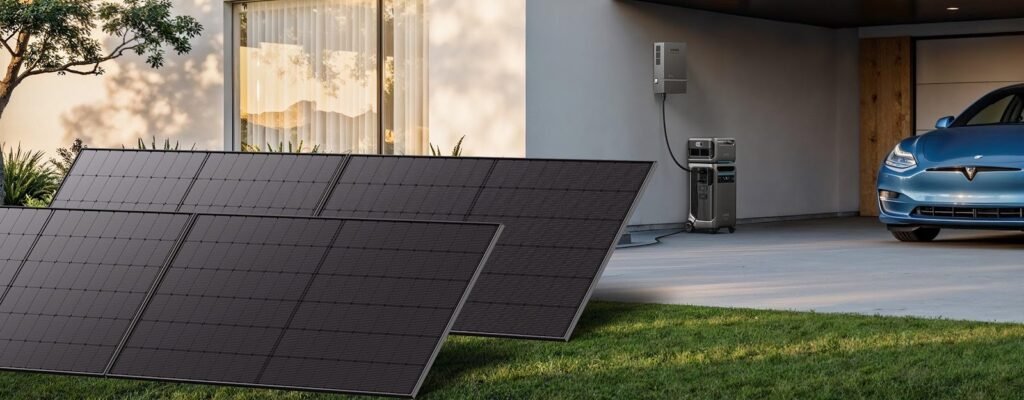
Versatility Opens the Door to Broader Applications
Solar power combined with a capable power station offers more than household backup. It supports RV living, off-grid cabins, construction sites, outdoor events, and remote work setups. Users no longer require fuel-powered generators in many cases. Quiet operation, clean energy, and high output capacity make solar-storage combinations appealing for extended travel and professional environments. Dual-voltage output expands compatibility with heavy-duty tools and equipment, while portable form factors allow energy to move with the user. The growing demand for sustainable and mobile energy makes power stations the backbone of many modern solar applications. For users seeking long-term resilience and flexibility, selecting the best portable power station ensures that solar energy becomes practical, powerful, and easy to manage across a wide range of scenarios.
Conclusion
A power station shapes how effectively a solar system performs by controlling input, storing energy, and delivering the right output to appliances. It transforms inconsistent sunlight into steady, reliable electricity for homes, vehicles, and off-grid locations. Scalable design, intelligent management, and flexible output options allow solar setups to grow with user needs while remaining simple to operate. When paired with advanced units such as the Anker SOLIX F3800 Plus Portable Power Station, solar power becomes more efficient, adaptable, and user-friendly. By understanding how these components integrate, users can build solar systems that provide dependable daily energy and long-term resilience without unnecessary complexity.