
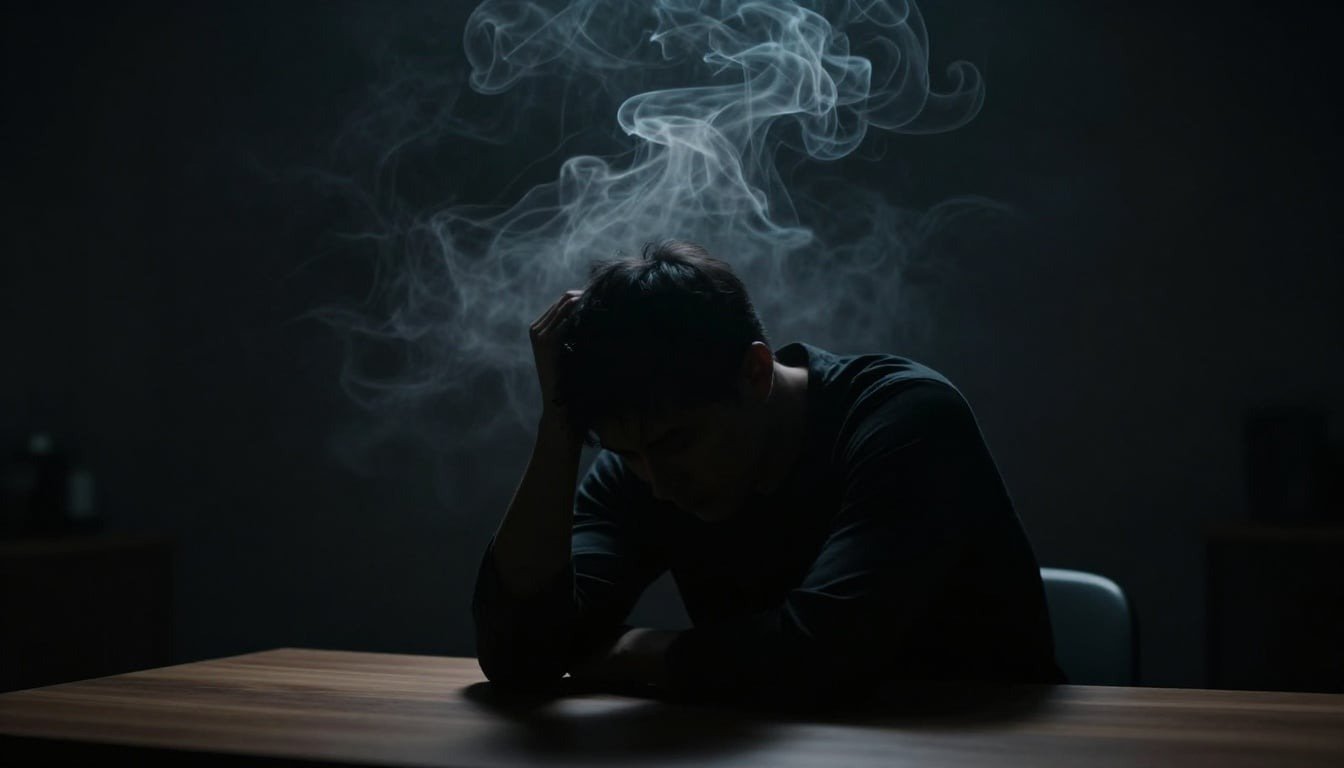

When you wake up after a good time but then in the afternoon realise you have developed a headache from all the fun you had the previous night, this feeling of anxiety or knotting-up of your stomach will continue for quite some time. If you are racing with thoughts “what I said something stupid?”; to how heavy everything is? The feeling of Regret; this is not just regret, but rather an anxiety hangover; or as most people call it; hangxiety, happens to your brain days after you’ve sobered up.
Hangxiety is a wave of anxiety and worry that comes after drinking; not the same as having a dry mouth or sore muscles; it comes from the change of chemicals in your brain; your body will recuperate faster from all the physical aspects of drinking; however your mind may take a bit longer to rejuvenate. The purpose of this article is to provide a breakdown of the science behind hangxiety, what symptoms you might observe to help you determine if you have this feeling and additional steps to lessen the initial feeling and lessen the occurrences.
Section 1: Defining Hangxiety: More Than Just a Bad Mood
Causes and Symptoms Distinct From a Physical Hangover
A hangover is characterized by nausea and a pounding head, resulting from dehydration and the build-up of toxins from alcohol consumption. The first signs of “hangxiety” appear later as a dark cloud over your mood that leads you to snap at little things and feel your heart racing over nothing.
The initial symptoms of a hangover can last anywhere from 24 to 72 hours. The body repairs the body first, followed by the mind. The peak of anxiety generally occurs after the body has finished healing. It’s like the party crasher has left but the house is still a mess; even during moments of stillness and quietness, you feel restless or uneasy.
Restless or racing thoughts prevent good sleep. Frustration and irritability make it difficult to be productive at work. This is not a sign of you being weak. It’s your nerves recovering from the overwhelming effects of alcohol consumption.
Section 2: The Chemistry of Emotional Aftermath
Dehydration and Inflammation’s Impact on Cognitive Function
Alcohol causes rapid dehydration in your body, and the mild dehydration is still present, no matter how much water you drink. This is especially true for the front of your brain. That’s where we experience our emotions and perceive various threats around us.
Your cognitive ability will decrease. Your small worries will feel like really large worries. In addition to that, alcohol use causes inflammation when your body breaks down alcohol. Your body creates a toxic byproduct called acetaldehyde during alcohol metabolism, which promotes inflammatory responses in your body.
The combination of these two will heighten the feelings of stress that you experience, and you will sense threats that do not exist. You will feel a sense of malaise, as if you have the flu in terms of your mood. It may take days for you to get back to a normal state mentally.
Keeping yourself hydrated can help reduce how intense this feeling is for you.
Section 3: Identifying the Triggers and Patterns of Hangxiety
Examining Alcohol Type and Quantity
Not all types of drinks affect; dark drinks typically have more congeners (additional by-products created during fermentation). This can lead to worsening headaches as well as anxiousness. By contrast, clear liquors like vodka may take the edge off a person’s mood.
Quantity also factors into how bad a person’s hangover will be; having only a few beers could result in mild, temporary brain fog the next day, whilst binge drinking could cause anxiety for up to three days after drinking has stopped. Heavy nights of drinking will ultimately throw off the balance in the brain for a time.
Listen to your body; keep track of what kinds of drinks and how much you consumed that caused the worst rebound effect for you. It will take time for you to see very clear patterns.
Individual Susceptibility: Genetics and History
Some people can handle a hangover well. Their mind is still negative but their body will quickly adjust. Genetics affect how this happens. Enzymes such as ADH and ALDH are responsible for producing alcohol’s breakdown products. If an alcohol breakdown enzyme doesn’t work fast enough to break down alcohol’s byproducts, the byproducts will accumulate and negatively affect nerve function; nerves are affected by a person’s ability to metabolize alcohol. Therefore, a person’s nervous system may be more sensitive to alcohol, or they may still react negatively to alcohol even after several months of not consuming it.
Another factor that influences nervous system sensitivity is stress history. Therefore, if a person has family stress, a person who has social anxiety will have a difficult time when they drink too much.
Identify your risks: Family history of alcohol abuse and/or stress history is an indication of how well you handle a hangover; these are factors that will allow you to create a personalized plan to help manage your hangover.
See also: Choosing the Right Syringe Connection for Healthcare Applications
Section 4: Immediate Relief: Coping Strategies for Acute Hangxiety
Nutritional Support for Neurotransmitter Recovery
Food can be used as a way to battle anxiety when levels are low. Consistent blood sugar will keep it balanced – opt for grains (whole grain or oats) and combine them with protein-rich eggs to help you feel calmer over time.
Magnesium is a great mineral for helping with calming your nerves – look for it in nuts or spinach. The B vitamins will help you produce your own GABA (anxiety relieving chemical) – look for those in eggs and bananas. These foods help keep your body steady and calm quite quickly.
- Start your day with a smoothie that includes yogurt, berries, and almonds.
- Balance protein and carbs by snacking on cheese and apple slices.
- Hydrate with coconut water for better recovery than drinking plain water – Hydrate using electrolytes – coconut water will help you recover more quickly than just drinking plain water.
Eat small portions that provide relief from the stormy anxiety without making your stomach feel overloaded.
Mind-Body Techniques for De-escalation
Take a deep breath to relax. One method is to inhale for 4 counts, hold your breath for 7 counts, and then exhale for 8 counts. This technique wakes up your parasympathetic nervous system. Glutamate reduces stress levels quickly.
Get out and get some fresh air. This helps you clear your head. If you’re feeling stressed out, don’t go to the gym. Doing hard exercise can increase cortisol hormones.
- Take 5 minutes to sit quietly and focus on breathing.
- Jot down your worries in a journal. This will help you release worries from your mind.
- Listen to recordings of nature sounds; they are calming and can help reduce anxiety.
These activities give you a sense of being grounded, and will help you cope without taking medications.
If hangxiety becomes frequent or severe, exploring evidence-based therapy options can provide structured support and coping strategies.
Conclusion: Reclaiming Mental Clarity Post-Indulgence
Fishing for peace of mind is difficult after a night on the sauce. You’re left wondering whether or not it was a good decision to drink, and if it wasn’t the alcohol that caused you this anxiety, what could have caused it?
Many times when someone has hangxiety they’ll feel a bit foggy, and be unable to focus on their responsibilities at work, go to class, or concentrate on homework. You’re not alone in this; anxiety affects all of us differently, and some people just have it worse feeling foggy, etc.
Track triggers and build coping systems. If anxiety linked to alcohol becomes a pattern, seeking professional addiction and behavioral support can make a meaningful difference.
Don’t let hangxiety ruin your life; deal with it early (plan on taking an easy day), watch your eating habits (eat healthy, healthy snacks are good!) and take time to breathe or relax when you feel anxious. Make small changes to your routines to prevent hangxiety. Keep track of what triggers your anxiety (drinking, genetics) and find ways to cope when you do experience hangxiety.