
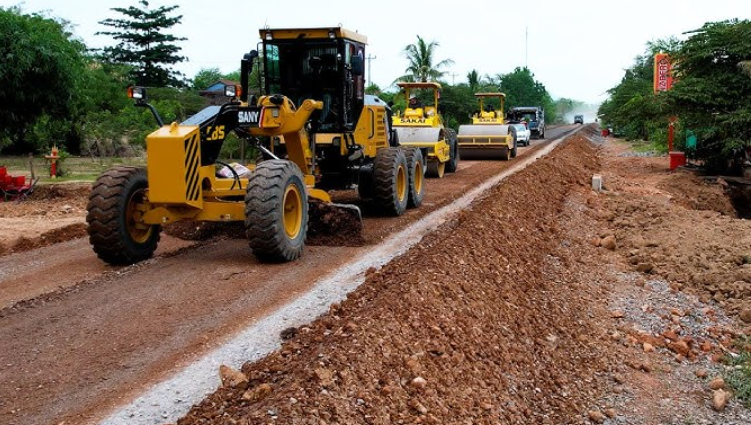

Building long-lasting roads requires careful attention to the materials used beneath the pavement. While the surface layer often gets the most attention, it is the underlying foundation that determines stability, durability, and overall performance. Among the foundational materials, road base and gravel are commonly used, yet they serve different purposes and offer distinct benefits. Comparing road base vs gravel helps engineers, contractors, and planners make informed decisions for road construction projects.
What is Road Base?
Road base is a specially selected layer of aggregate placed between the natural soil, known as the subgrade, and the pavement surface. Its primary purpose is to provide structural support, distribute vehicle loads evenly, and prevent the road surface from deforming or cracking. Road base typically consists of crushed stone, sand, or mixed aggregates that are compacted to create a solid foundation.
A properly constructed road base ensures longevity, reduces maintenance costs, and contributes to safer driving conditions. Its characteristics, such as density, compaction, and particle interlock, are critical to its performance.
What is Gravel?
Gravel is a loose aggregation of small stones and pebbles, often used as a surface or base material for roads, driveways, and pathways. Unlike road base, gravel is less processed and may include rounded particles. While gravel can provide a level surface and drainage capabilities, it generally does not interlock as tightly as crushed road base materials, which can affect stability under heavy loads.
Gravel is widely used in rural roads, residential driveways, and temporary access routes due to its accessibility and cost-effectiveness. It is easy to install and maintain, but it may require frequent replenishment in high-traffic areas.
Key Differences Between Road Base and Gravel
Understanding the distinctions between road base and gravel is essential when planning a road construction project.
Composition and Processing
Road base is usually a mixture of crushed stones, sand, and fine particles that are specifically graded to achieve maximum compaction and stability. Gravel, on the other hand, is less processed, consisting of naturally occurring stones or pebbles that may vary in size and shape. The processing of road base ensures tighter interlocking, resulting in superior load-bearing capacity.
Stability and Load-Bearing Capacity
Due to its compaction and particle interlock, road base provides a much stronger foundation than gravel. Roads built on road base are better equipped to handle heavy traffic and industrial loads, whereas gravel surfaces may shift or rut under similar conditions. This makes road base the preferred choice for highways, urban streets, and industrial roads.
Drainage
Both materials provide drainage benefits, but gravel allows water to pass through more freely due to its loosely packed structure. Road base, when properly designed, can also offer excellent drainage while maintaining structural integrity, ensuring the subgrade remains protected from water damage.
Maintenance Requirements
Gravel surfaces require more frequent maintenance, including replenishing displaced stones, grading, and controlling dust. Road base roads, once properly constructed and compacted, require less maintenance and provide a longer lifespan. This translates to cost savings and less disruption over time.
Applications of Road Base
Highways and Expressways
Highways are subjected to constant, heavy traffic, which demands a strong foundation. Using a high-quality road base ensures even load distribution, reduces rutting, and prolongs the road’s service life.
Urban Streets
City roads face frequent stopping, turning, and load stress. A well-compacted road base can distribute these forces effectively, minimizing surface damage and ensuring smoother traffic flow.
Industrial and Commercial Roads
Industrial sites often require roads capable of supporting heavy trucks and machinery. Road base provides the necessary strength and stability for these applications, ensuring safe and reliable access for vehicles and equipment.
Residential and Rural Roads
While gravel is commonly used for low-traffic rural roads, incorporating a road base layer can significantly enhance durability and reduce maintenance. It also prevents erosion and provides a more stable driving surface during adverse weather conditions.
Factors to Consider When Choosing Between Road Base and Gravel
Selecting the right material depends on several factors:
- Traffic Volume: High-traffic roads benefit from a well-compacted road base, while low-traffic paths may function well with gravel.
- Load Requirements: Roads expected to handle heavy trucks or industrial machinery should prioritize road base for its superior load-bearing capacity.
- Environmental Conditions: Areas prone to heavy rainfall or frost heave may require a road base to prevent erosion and structural damage.
- Budget and Maintenance: Gravel is cost-effective upfront but may incur higher maintenance costs over time, whereas road base involves a higher initial investment with long-term savings.
Combining Road Base and Gravel
In many road construction projects, road base and gravel are used together to maximize performance and cost-efficiency. A common approach is to use a compacted road base layer as the foundation and finish with a gravel surface layer. This combination provides the strength and stability of road base while maintaining the drainage and aesthetic benefits of gravel.
See also: Streamlining Business Operations Through Modern Payroll Solutions
Future Trends in Road Construction Materials
The road construction industry is evolving, incorporating new technologies and sustainable practices to improve road performance:
- Recycled Aggregates: Using recycled concrete and asphalt as part of the road base reduces environmental impact and promotes sustainability.
- Geosynthetics: Geotextiles and geogrids reinforce the roadbase layer, enhance stability, and improve load distribution.
- Performance-Based Design: Engineers are increasingly focusing on testing materials for performance outcomes rather than relying solely on traditional grading methods.
Conclusion
Understanding the differences between road base vs gravel and gravel is critical for constructing durable, long-lasting roads. Road base offers superior stability, load distribution, and longevity, making it ideal for highways, urban streets, and industrial roads. Gravel, while accessible and cost-effective, is better suited for low-traffic or temporary applications.
By evaluating traffic demands, load requirements, environmental conditions, and maintenance considerations, planners and contractors can make informed decisions that enhance road performance and safety. In many cases, combining road base and gravel provides a balance of strength, drainage, and cost efficiency.
Ultimately, selecting the appropriate foundational material ensures roads remain durable, reliable, and safe for all users, while also minimizing long-term maintenance and infrastructure costs.