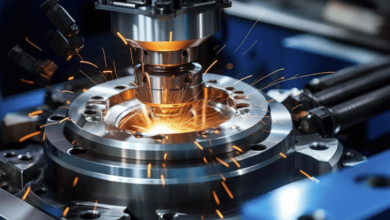
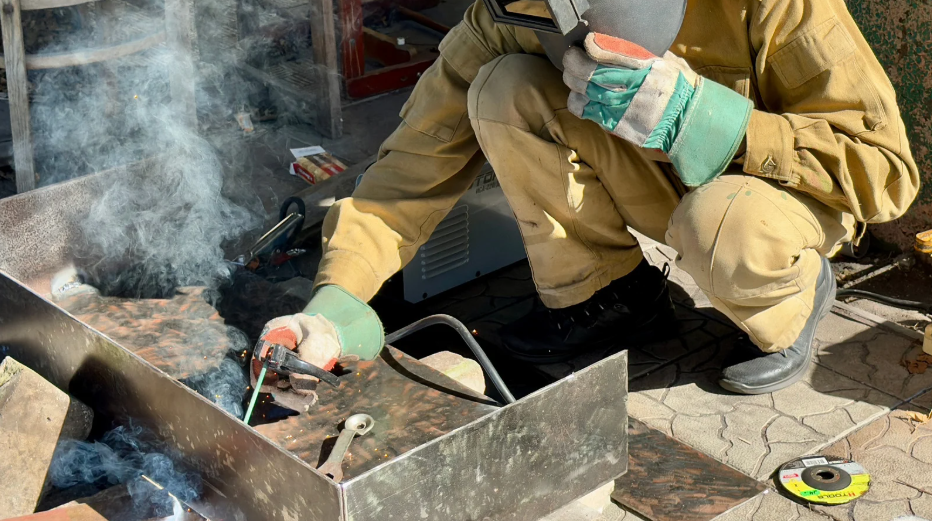

Welding is an essential process across many industries, but it also introduces serious health concerns when smoke and fumes are not properly controlled. Welding smoke contains a mixture of fine particles and gases that can remain suspended in the air long after work begins. Over time, repeated exposure can affect respiratory health, overall well-being, and workplace safety. Early consideration of a welding smoke extractor helps address these risks by limiting airborne contaminants before they spread throughout the workspace. Understanding how welding smoke affects the body highlights why effective extraction plays such a critical role in industrial environments.
What Welding Smoke Contains and Why It Is Harmful
Welding smoke is produced when metal is heated and vaporized during the welding process. As the vapor cools, it condenses into microscopic particles that are easily inhaled. These particles may contain metals such as manganese, chromium, and nickel, depending on the materials used. In addition to solid particles, welding smoke often includes gases that can irritate the lungs and airways.
Because these particles are extremely small, they can penetrate deep into the respiratory system. Prolonged exposure may lead to inflammation, reduced lung function, and increased sensitivity to airborne irritants. Even short-term exposure can cause symptoms such as coughing, throat irritation, headaches, and dizziness, especially in enclosed or poorly ventilated areas.
Long-Term Health Risks Associated With Exposure
Chronic exposure to welding smoke increases the risk of long-term respiratory conditions. Over time, repeated inhalation of fine particles can contribute to bronchitis, occupational asthma, and other lung-related illnesses. Some components found in welding fumes have also been linked to neurological effects when exposure levels remain elevated for extended periods.
Beyond respiratory concerns, continuous exposure can impact overall worker performance and comfort. Fatigue, reduced concentration, and frequent illness can affect productivity and workplace morale. These risks underscore the importance of controlling exposure rather than relying on reactive measures after symptoms appear.
The Role of Effective Smoke Extraction Systems
Extraction systems are designed to capture welding smoke at or near the source before it disperses into the surrounding environment. By removing contaminants early, these systems significantly reduce the amount of harmful material that workers inhale. Proper extraction supports cleaner air, clearer visibility, and a more stable work environment.
Modern systems are engineered to maintain consistent airflow while handling varying levels of particulate load. This ensures reliable performance even during continuous welding operations. Effective extraction also reduces residue buildup on equipment and surfaces, contributing to a cleaner and safer workspace overall.
Flexibility and Application-Based Solutions
Different welding environments require different extraction approaches. Some operations benefit from fixed systems integrated into the facility, while others require adaptable solutions that move with the work. Understanding the benefits of a portable welding fume extractor often emphasizes how mobility supports changing layouts and temporary work zones without sacrificing capture efficiency.
Portable systems allow facilities to maintain air quality standards across multiple locations, while stationary systems provide consistent coverage for high-volume production areas. Choosing the right configuration depends on workflow patterns and space constraints rather than a single universal solution.
See also: Why Homeowners Should Never Delay a Hazardous Tree Removal
Supporting Safety Standards and Operational Efficiency
Air quality control is closely tied to workplace safety expectations. Effective extraction systems help facilities align with safety guidelines while reducing the administrative burden associated with monitoring exposure levels. By maintaining cleaner air, facilities also support long-term operational efficiency through reduced downtime and lower health-related disruptions. Investing in proper extraction reflects a proactive approach to worker health and risk management. It helps create an environment where safety and productivity coexist without compromise.
Conclusion
Welding smoke poses serious health risks when left unmanaged, affecting respiratory health, comfort, and long-term well-being. Understanding the composition and impact of welding smoke highlights the importance of effective extraction solutions. By capturing contaminants at the source and supporting cleaner air, extraction systems play a vital role in protecting workers and maintaining safe, efficient industrial environments.